

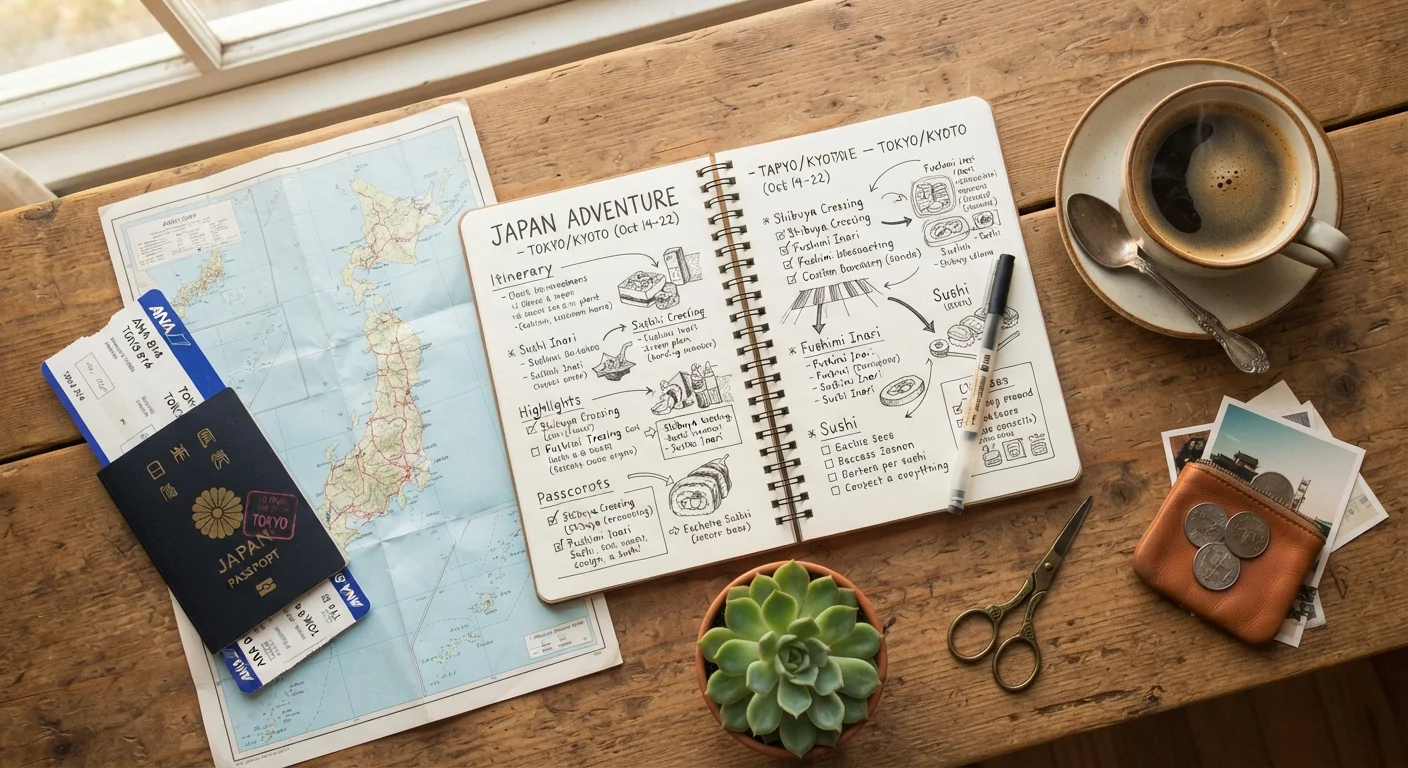
Phase One: Goals, Destination, and Timing
Every well-planned trip begins not with a search engine, but with a question: what do I actually want from this trip? Rest, adventure, culture, food, family connection — your answer shapes every decision that follows. Travelers who skip this step often find themselves overwhelmed by options or disappointed that the destination didn't deliver what they were hoping for.
Once you have a clear travel goal, destination research becomes much more focused. You're no longer browsing endlessly; you're filtering. How experienced travelers approach trip research outlines practical habits for gathering accurate information without drowning in it — a skill worth developing early.
Timing is equally strategic. Consider shoulder seasons (the weeks just before or after peak tourist periods), local holidays that might affect crowds or prices, and how your own schedule aligns with the destination's weather patterns. A two-week window in the wrong season can undermine even the most carefully built plan.
Start With One Non-Negotiable
If you're struggling to define your travel goals, identify just one experience you absolutely want — a specific national park, a cuisine, a cultural event. Build your destination research around that anchor point, and the rest of the framework tends to fall into place more naturally.
Phase Two: Budget Framework and Core Bookings
With destination and dates confirmed, the planning shifts to numbers and commitments. A realistic budget isn't just a cap on spending — it's a tool for prioritization. Allocate across the major categories: transportation (flights, trains, car rental), accommodation, meals, activities, and a contingency buffer. The buffer matters more than most first-timers expect.
Booking order follows a logical sequence: major transport first (flights or long-distance trains tend to have the most limited availability), then accommodation, then any high-demand experiences that require advance reservations. For a comprehensive look at budgeting principles and booking timelines in one place, the complete trip planning reference is a useful companion resource.
72%
Travelers who research before booking
According to travel industry surveys, the majority of leisure travelers conduct destination research at least two months before their departure date.
15–20%
Recommended trip budget contingency
Travel planning guides commonly recommend reserving 15–20% of the total trip budget for unexpected costs, delays, or spontaneous opportunities.
3–6 months
Typical international planning lead time
Travel advisors generally recommend beginning international trip planning three to six months in advance to secure preferred flights, accommodation, and required travel documents.
If your trip is international, this phase is also when you verify document requirements — passport validity, visas, required vaccinations — and confirm travel insurance needs. Always check official government sources for entry requirements, as these can change without much notice.
Phase Three: Itinerary Design
An itinerary is the connective tissue of a trip — it turns a list of bookings into a coherent experience. The goal is structure without rigidity. A good daily plan accounts for travel time between locations, meal breaks, rest, and the simple reality that things rarely run exactly on schedule.
Organizing by theme can help enormously here. If your trip centers on food, history, or nature, grouping like activities creates a more satisfying flow rather than bouncing between unrelated experiences. Planning around a trip theme breaks down how each theme type shapes practical decisions.
For day-by-day structure, building a travel itinerary that actually works offers a framework for balancing sightseeing, downtime, and the unexpected — the hallmark of an itinerary that holds up in the real world.
Itinerary Length and Trip Duration
A common mistake is building a ten-day itinerary as if every day has equal energy. Days immediately after long flights or early in a trip often require lighter scheduling. Factor in arrival-day logistics and a final travel day with minimal commitments — your future self will thank you.
Phase Four: Pre-Departure Preparation
The final phase is often underestimated. In the week before departure, move through a practical checklist: confirm all bookings, download offline maps and translation tools, notify your bank of travel dates, check local laws and customs at your destination, and pack strategically for your specific itinerary rather than for every conceivable scenario.
Health and safety preparation belongs here too — particularly for international travel. Review any destination-specific health advisories, ensure routine vaccinations are current, and consult a healthcare provider about destination-specific recommendations well in advance. For ongoing wellness and safety considerations while traveling, the Travel Safety & Wellness hub is a reliable reference point.
Arriving at your departure point calm and organized isn't luck — it's the payoff of working through each phase deliberately. The anatomy of a well-planned trip is simply this: clarity of purpose, realistic logistics, a flexible daily structure, and thorough preparation. Each element reinforces the others.
Frequently Asked Questions
For international travel, starting three to six months out is generally advisable, especially for busy seasons or destinations requiring visas. Domestic trips can often be planned in four to six weeks. Earlier planning typically means more availability and fewer constraints on bookings.
Goal-setting and research form the foundation — without a clear sense of what you want from a trip, every downstream decision becomes harder. That said, all four phases are interdependent; skipping one usually creates problems in another.
Build buffer time into each day rather than scheduling every hour. Identify your non-negotiables and plan those firmly, then leave the rest loosely structured. For more on this balance, see <a href="/travel-adventure/trip-planning/the-case-for-and-against-over-planning-a-holiday">the case for and against over-planning</a>.
Travel insurance decisions depend on individual circumstances, trip cost, and destination. As a general principle, trips with significant upfront costs or international health considerations often benefit most from coverage. Always verify what your existing policies cover before purchasing.
At minimum, ensure your passport is valid well beyond your travel dates (many countries require six months of validity), and check visa requirements for each destination. Entry requirements, vaccination rules, and customs regulations vary by country and can change — always verify with official government and embassy sources before departure.
The content on this site is for informational purposes only and is not a substitute for professional advice. Always consult a qualified professional for guidance specific to your situation.