

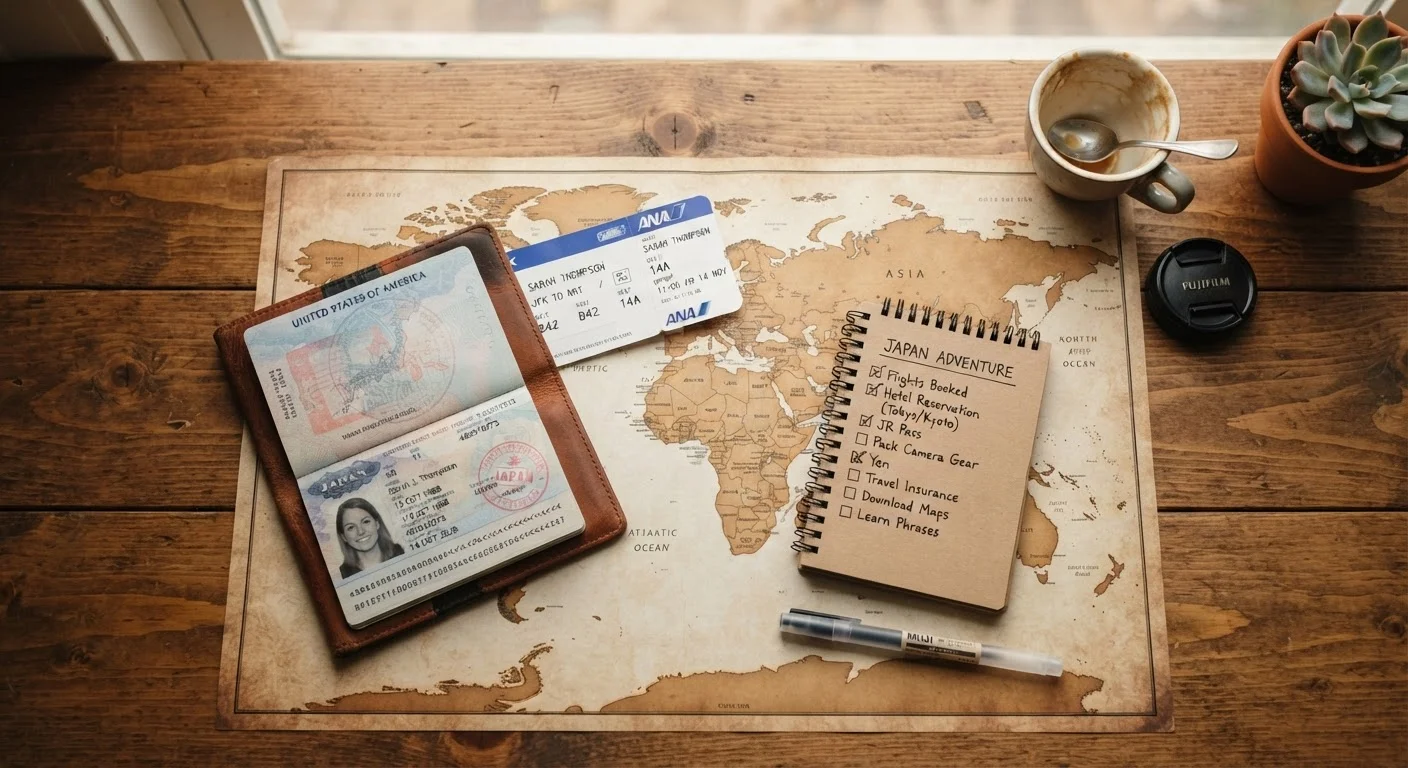
Building Your Planning Timeline
The single biggest mistake travelers make isn't choosing the wrong hotel — it's starting too late. A realistic planning timeline is the backbone of every smooth trip. For international travel, most experts suggest beginning the process three to six months in advance; for domestic trips, four to eight weeks is generally workable depending on complexity.
Here's a practical phase-by-phase framework:
- 3–6 months out: Lock in your destination, check passport validity (many countries require at least six months remaining), research visa requirements, and purchase flights.
- 6–10 weeks out: Book accommodations, research transportation within your destination, and purchase travel insurance.
- 2–4 weeks out: Confirm all reservations, notify your bank of travel dates, arrange pet or house care, and research local customs or health advisories.
- 1 week out: Pack, download offline maps, set up international phone service, and print or save digital copies of critical documents.
If you're new to doing this solo, our first-timer's roadmap walks through every stage in even more detail. Understanding the anatomy of a well-planned trip can also help you see how each phase connects.
Set a passport check as the very first item on your planning list, even before you book anything. A lapsed or soon-to-expire passport can derail months of planning in an instant.
Passport renewal backlogs can stretch to several weeks or more during peak periods, and many countries enforce a six-month validity rule that catches travelers off guard.
When building your travel budget, research the average daily cost at your destination using multiple sources, then add 20% — not 10% — if this is your first visit to that region.
First-time visitors to a destination consistently underestimate costs due to unfamiliarity with local pricing, tipping norms, and transportation options.
Documents, Visas, and Entry Requirements
Getting your paperwork right is non-negotiable. Entry requirements vary widely by destination and change more frequently than most travelers expect.
Passport Essentials
Check that your passport doesn't expire within six months of your return date — this is a requirement in many countries and a common reason travelers are denied boarding. If you need to renew, routine processing can take several weeks; expedited service is faster but more expensive.
Visas and Electronic Travel Authorizations
Many countries now offer visa-on-arrival or electronic travel authorizations (eTAs) for US passport holders, but others require advance applications. Always verify current requirements through the US Department of State's travel website or the official embassy of your destination country. Conditions change, and third-party sites may carry outdated information.
Always Verify Entry Requirements Officially
Visa rules, entry restrictions, and health documentation requirements can change with little notice. Never rely solely on travel blogs, booking platforms, or this article for entry requirement details. Cross-check directly with the US Department of State's country information pages and the official embassy or consulate of your destination. Getting this wrong can result in being denied boarding or entry.
Health Documentation
Some destinations require proof of vaccinations — yellow fever is a common example for travel to certain regions of Africa and South America. Check the CDC's destination-specific health pages and consult a travel medicine provider well in advance. For the latest advisories, the Travel Safety & Wellness hub is a helpful starting point.
Budgeting Principles That Actually Work
Travel budgeting isn't about finding the cheapest option at every turn — it's about allocating your money according to what matters most to you. A sound budget covers five core categories: transportation, accommodation, food, activities, and miscellaneous/emergency funds.
36%
Travelers who exceed their travel budget
A survey by the American Express Travel trends report found roughly a third of leisure travelers spend more than they planned.
6 months
Passport validity required by many countries
Numerous popular destinations — including many in Europe, Asia, and Latin America — require at least six months of remaining passport validity beyond your travel dates.
Practical principles to guide your planning:
- Research destination cost levels before setting any numbers. Daily costs vary enormously — a week in one region can cost twice that of a similar week elsewhere.
- Build in a 10–15% buffer on top of your estimated total for unexpected expenses like medical copays, missed connections, or currency conversion fees.
- Separate wants from needs early. Identify which experiences are non-negotiable and protect those line items from cost-cutting pressure.
- Track in real time. A simple spreadsheet or budgeting app updated daily prevents you from reaching mid-trip and realizing you've overspent.
For deeper guidance on structuring a spending plan, the Budgeting Basics hub offers transferable strategies. And if you're splitting costs with others, group trip coordination requires its own financial framework.
Use a Dedicated Travel Fund
Opening a separate savings account solely for trip funds makes it easier to track progress and resist the urge to raid your travel budget for everyday expenses. Even a basic, no-fee account at your existing bank works well for this purpose. Automate a modest weekly transfer and your fund grows steadily without requiring constant attention.
Packing Smart for Any Trip
Effective packing is less about what you bring and more about what you deliberately leave behind. The goal is a bag that covers every realistic scenario without weighing you down or triggering checked-bag fees.
Build a Destination-Specific List
Start with climate and activities, then layer in cultural considerations. A beach trip to Southeast Asia has almost no overlap with a winter city break in northern Europe. Generic packing lists create generic problems.
The Essentials Categories
- Documents and valuables: Passport, insurance card, printed booking confirmations, emergency contacts, and a separate copy of your passport photo page stored digitally.
- Clothing: Aim for versatile, mix-and-match pieces. Most travelers overpack clothing and underpack practical items like a reusable bag or a small first-aid kit.
- Health and medications: Bring a sufficient supply of any prescription medications plus a letter from your prescriber. Pack basic OTC items for common travel ailments.
- Electronics: Universal adapter, portable charger, and any chargers — confirmed to work in your destination's voltage standard.
Be skeptical of sweeping packing advice. Our look at common travel planning myths examines why one-size-fits-all rules often backfire.
Contingency Planning and On-the-Road Problem Solving
No plan survives contact with reality completely intact. The travelers who recover fastest from disruptions are those who anticipated the possibilities before departure.
Flight Disruptions
Know your rights as a passenger before your flight, not after. Familiarize yourself with your airline's rebooking policies and whether your travel insurance covers missed connections or cancellations. Screenshot your booking confirmations so they're accessible offline.
Lost or Stolen Documents
Carry digital copies of your passport, visa, travel insurance card, and key bookings in a secure cloud location accessible from any device. Register with the US Embassy or Consulate in your destination country through the State Department's STEP (Smart Traveler Enrollment Program) — it's free and ensures the embassy can reach you in an emergency.
Medical Situations Abroad
Know the emergency number at your destination (it isn't always 911). Identify the nearest hospital or clinic to your accommodation before you need one. If you have a chronic health condition, carry a brief medical summary in the local language. Travel insurance with medical evacuation coverage is worth understanding before you leave — read the policy carefully.
Don't Rely on Credit Card Travel Insurance Alone
Some credit cards include limited travel protections, but these rarely match the coverage of a dedicated travel insurance policy — particularly for medical emergencies or evacuation. Read the terms of any card-linked benefit carefully and compare it against your actual risk exposure for the trip. For longer trips, remote destinations, or travelers with health considerations, a standalone policy is worth evaluating.
Contingency planning isn't pessimism — it's the final act of a well-constructed plan. With your timeline, documents, budget, bags, and backup plans in order, you're genuinely ready for whatever the journey brings.
This article provides general travel information and education only. Entry requirements, health documentation, and travel advisories change frequently. Always verify current conditions through official government sources — including the US Department of State and your destination country's embassy — before traveling.
The content on this site is for informational purposes only and is not a substitute for professional advice. Always consult a qualified professional for guidance specific to your situation.