

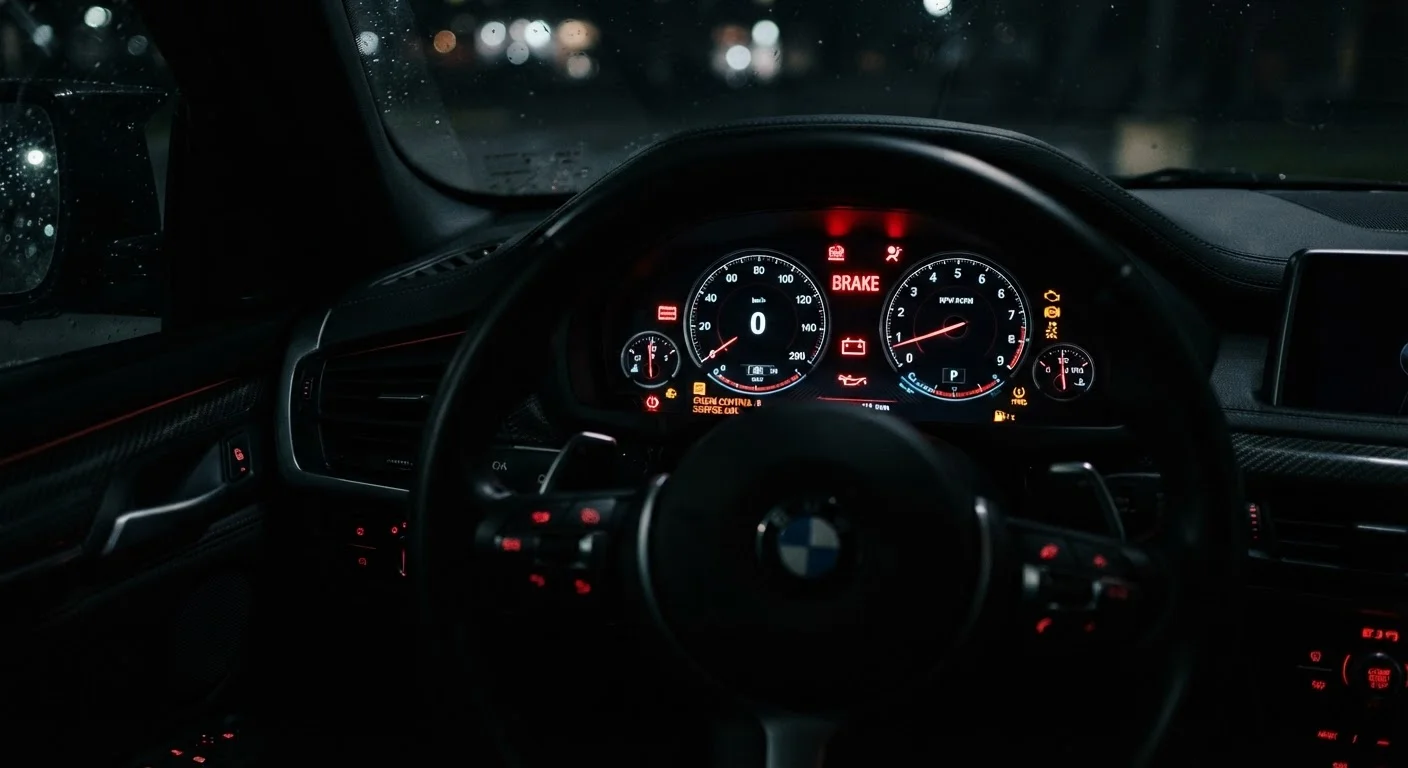
Why Warning Lights Exist — and Why They're Confusing
Your vehicle's onboard diagnostic system constantly monitors dozens of sensors. When something falls outside expected parameters, it triggers a warning light on the instrument cluster. The problem is that manufacturers use different symbols, colors, and urgency levels — and your owner's manual is often the last thing you reach for at 7 a.m. on a Monday.
Understanding these signals in advance helps you respond appropriately: pulling over immediately when required, scheduling a service appointment when warranted, or simply noting something to mention at your next oil change.
| Number of possible DTC codes | Over 5,000 standardized codes (SAE International OBD-II standard) |
| Red light response | Stop driving as soon as safely possible |
| Amber light response | Schedule service; monitor closely |
| Most common warning light | Check Engine (Engine Management Light) (Widely reported by auto service providers) |
| Owner's manual location | Glove compartment or digital download from manufacturer |
Color Coding: The First Thing to Read
Before you decode the symbol, read the color. Most modern vehicles follow a consistent color logic:
- Red: Immediate action required. Stop driving as soon as it is safe to do so. Examples include oil pressure warning, engine temperature, and brake system failures.
- Amber/Yellow: Caution — something needs attention soon, but is not necessarily an emergency. Examples include the check engine light, traction control off, and low tire pressure.
- Green or Blue: Informational only. These indicate a system that is active, such as high beams or a turn signal.
A red light that is also flashing generally signals a more acute problem than one that stays steady. If you see a red light flashing while driving, reduce speed and find a safe place to stop.
OBD-II (Onboard Diagnostics)
A standardized system built into most vehicles sold in the US after 1996 that monitors engine and emissions performance. A scan tool plugged into the OBD-II port can retrieve specific fault codes linked to warning lights.
Fault Code (DTC)
A Diagnostic Trouble Code stored by the vehicle's computer when a sensor reading falls outside normal range. Each code corresponds to a specific system or component and helps mechanics pinpoint the issue.
Catalytic Converter
An emissions control device in the exhaust system that converts harmful combustion byproducts into less harmful gases. It can be damaged by prolonged engine misfires.
TPMS
Tire Pressure Monitoring System — a sensor-based system that alerts the driver when one or more tires drop significantly below the manufacturer's recommended inflation pressure.
Oil Pressure
The force at which engine oil is circulated through the engine to lubricate moving parts. Low oil pressure — distinct from simply low oil level — can cause rapid and severe engine damage.
Charging System
The alternator and related components that recharge the battery while the engine runs. A charging system fault means the battery is draining and the vehicle may stop running without warning.
The Lights You're Most Likely to See
Here's a plain-English breakdown of the most commonly triggered warning lights:
Check Engine (Engine Management Light)
This amber light — shaped like an engine silhouette — is one of the most misunderstood signals. It can indicate anything from a loose gas cap to a misfiring cylinder. A steady amber light means you should get the fault codes read by a mechanic soon. A flashing check engine light suggests a more serious issue, such as an active misfire that could damage the catalytic converter — reduce load and seek service promptly.
Oil Pressure Warning
This red oil-can symbol means the engine is not receiving adequate oil pressure — not simply that you're low on oil, although that can be the cause. Pull over safely and turn off the engine. Running an engine without oil pressure can cause irreversible damage within minutes. Check the oil level with the dipstick; if it's normal, do not restart the vehicle and call for assistance.
Battery / Charging System
A red battery icon means the electrical charging system isn't functioning correctly. Your car is running on battery reserve only. Turn off non-essential electrical loads (climate control, heated seats) and drive directly to a workshop. The vehicle may stall if the battery depletes.
Tire Pressure Monitoring System (TPMS)
This amber symbol — a cross-section of a tire with an exclamation mark — appears when one or more tires fall significantly below the recommended pressure. Check all four tires (and your spare if applicable) with a gauge. See our guide to brake noises for a related look at how tire and brake health are connected.
Brake System Warning
A red exclamation mark inside a circle with parentheses can indicate the parking brake is engaged, low brake fluid, or a fault in the braking system. If the parking brake is fully released and the light remains on, treat this as urgent. For more on fluid roles, see our plain-English fluid guide.
Engine Temperature Warning
A red thermometer symbol means the engine is overheating. Pull over, turn off the engine, and let it cool — do not open the radiator cap while the engine is hot. This is a situation where continuing to drive can cause severe, costly engine damage.
When to Drive On, When to Stop Immediately
Not every warning light is a roadside emergency. A rough guide:
| Light | Color | Action |
|---|---|---|
| TPMS | Amber | Check pressure when safe; drive carefully to a service station |
| Check Engine (steady) | Amber | Schedule a diagnostic scan within a few days |
| Check Engine (flashing) | Amber | Reduce speed, seek service promptly |
| Oil Pressure | Red | Stop immediately, do not restart |
| Engine Temperature | Red | Stop immediately, let cool |
| Brake System | Red | Stop when safe, do not drive further until inspected |
| Battery/Charging | Red | Drive directly to a workshop, minimize electrical load |
When in doubt, consult your owner's manual for the specific symbol — vehicle manufacturers can vary. A mechanic can also retrieve stored fault codes with a diagnostic scan tool, giving a far more precise picture than the light alone. For a broader view of how garages communicate vehicle health, see reading a vehicle health check report.
Finally, if a dashboard warning ever causes you to feel unsafe or stressed while driving, pull over safely before doing anything else. Distraction and fatigue compound risk — see our article on tiredness at the wheel for more on managing driver wellbeing.
The content on this site is for informational purposes only and is not a substitute for professional advice. Always consult a qualified professional for guidance specific to your situation.