

The Most Common (and Benign) Cause
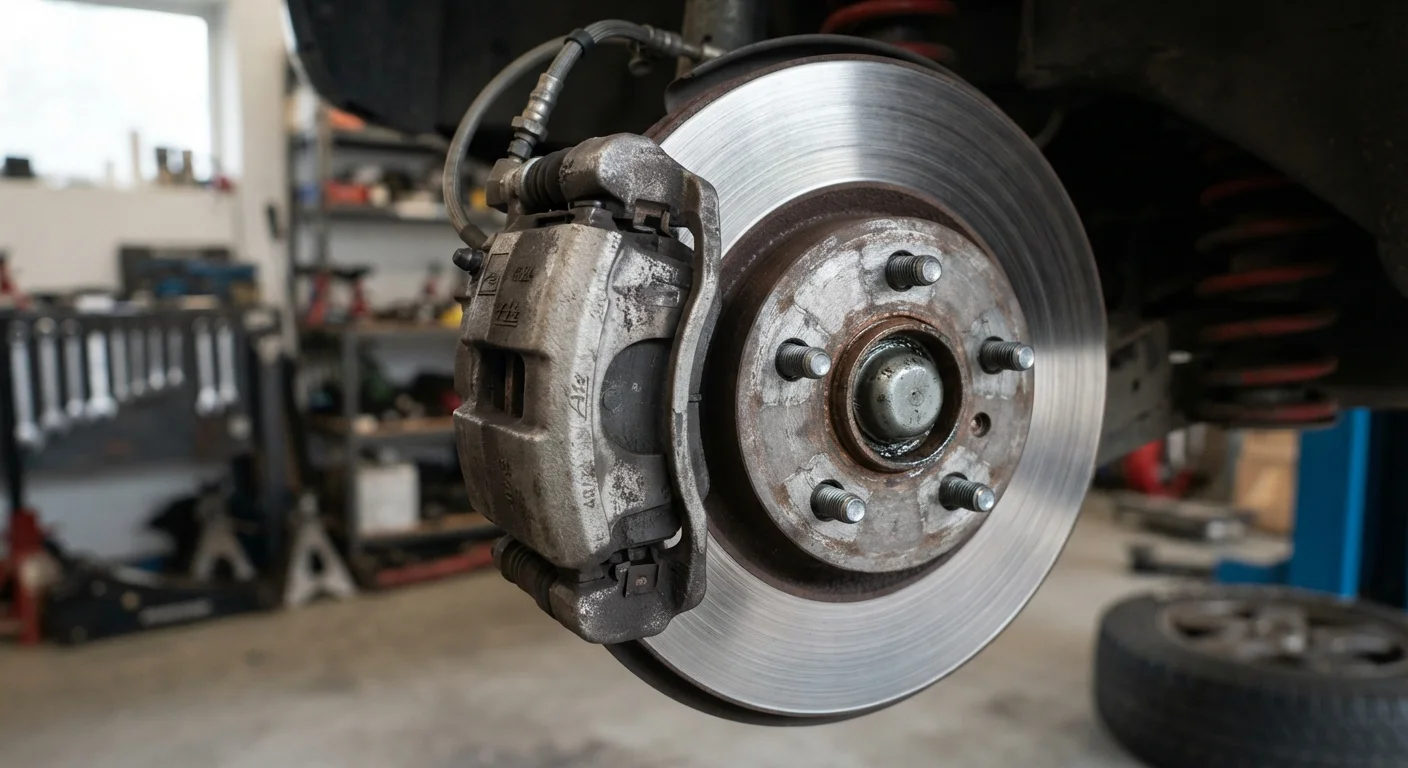
The most frequent reason brakes squeal is also the least serious: surface oxidation. Cast-iron rotors rust quickly when exposed to rain, overnight dew, or high humidity. That thin rust layer is entirely normal and typically burns off within your first few stops, taking the squeal with it. If the noise disappears after a minute of gentle driving, you can almost certainly set your mind at ease.
New brake pads can also produce noise while they bed in. During the first few hundred miles after installation, the pad surface and rotor finish are still conforming to each other. Some pad compounds — especially harder ceramics — run noisier by design throughout their entire lifespan. Neither situation signals a safety problem.
Listen for When the Noise Happens
Pay attention to whether the squeal occurs only at the start of your first trip or consistently throughout the day. Noise that disappears after one or two stops is almost always moisture-related. Noise that persists across every braking event is the more important pattern to report to a mechanic.
When Squealing Means Your Pads Are Worn
Most modern brake pads include a small metal tab called a wear indicator. Engineers position it so that when the friction material wears down to a minimum safe thickness — typically around 2–3 mm — the tab contacts the rotor and produces a deliberate, persistent squeal. Think of it as the brake system's built-in service reminder.
This kind of squeal happens on every stop, not just the first one. It may get louder as speed increases and then quiet slightly when the brake pedal is pressed. If you recognize this pattern, the pads need replacement in the near term. They haven't failed yet, but continuing to drive on them erodes your safety margin and risks damaging the rotors — a more expensive repair. For a deeper look at how disc and drum systems differ, see our guide to disc brakes vs drum brakes.
~2–3 mm
Minimum safe brake pad thickness
Most brake pad manufacturers and automotive safety guidelines cite 2–3 mm of remaining friction material as the threshold at which wear indicators activate and replacement becomes necessary.
30–70K miles
Typical brake pad lifespan range
According to general automotive maintenance guidance, brake pad life varies widely based on driving style, vehicle weight, and pad compound — city driving shortens lifespan considerably compared to highway use.
Sounds That Demand Urgent Attention
A squeal is a warning. A grind is an emergency. Grinding or a harsh metal-scraping sound means the pad material is gone and bare metal is now contacting the rotor. Stopping distances increase, rotor damage compounds rapidly, and the situation can become unsafe within a very short window. Do not postpone service if you hear grinding.
There are also warning combinations that elevate any brake noise from "schedule a check" to "stop driving today." These include:
- The vehicle pulling sharply to one side under braking
- A spongy or sinking brake pedal
- Vibration through the steering wheel when slowing
- A burning smell after normal driving
Any one of these alongside unusual noise warrants a call to a qualified mechanic — not a wait-and-see approach. Your dashboard may also illuminate a brake warning light; our article on what warning lights actually mean explains how to interpret those signals.
Semi-Metallic Pads and Road Dust
Vehicles fitted with semi-metallic brake pads — common on trucks and performance-oriented cars — tend to run noisier than those with organic or ceramic compounds. They also produce more brake dust on wheels. If your vehicle has always made moderate brake noise and braking performance feels normal, the pad compound itself may simply be the cause. A mechanic can confirm this during a routine inspection.
What to Do When You Hear Brake Noise
Start by noting the circumstances: Does the sound happen only on the first stop of the day, or every time you brake? Does it change with speed? Does it disappear when you press the pedal harder? These details help a mechanic diagnose the source quickly.
If the squeal is persistent or accompanied by any of the warning signs above, book an inspection promptly. Brake pads are among the vehicle components that wear on a predictable schedule — our guide to parts that wear on a schedule covers what to expect across the life of your vehicle. Catching pad wear before it progresses to rotor damage is almost always the more cost-effective path.
Do not attempt to inspect or service brake components without proper training and equipment. Brake work on improperly supported vehicles poses serious injury risk and is best left to a licensed professional.
Frequently Asked Questions
It depends on the sound and how long it persists. Occasional squealing on a wet morning is generally low risk. Consistent squealing every time you brake suggests the wear indicators are active, meaning pads are thin. At that stage the vehicle is still technically stoppable, but continued driving risks damage to rotors and a meaningful reduction in braking performance — have it inspected promptly.
Overnight condensation forms a thin layer of surface rust on iron rotors. The first few stops of the day scrub that layer away, often producing a brief squeal or light grinding sound. This is normal behavior for most vehicles and should resolve within a minute or two of gentle driving.
Once the wear-indicator squeal begins, most pads have roughly 1,000 to 3,000 miles of usable life remaining, though this varies widely with driving habits, vehicle weight, and pad material. Treat the squeal as a service reminder, not a countdown — schedule an inspection rather than guessing how much time you have left.
Yes. Freshly installed pads sometimes squeal for the first several hundred miles until the pad and rotor surfaces fully mate — a process called bedding-in. Some high-performance ceramic pad compounds are also naturally noisier than standard organic pads. If noise persists beyond a few hundred miles, ask your mechanic to confirm proper installation.
Grinding usually means the pad friction material is fully worn away and metal components are contacting the rotor directly. This is an urgent situation: rotor damage accelerates quickly, stopping distances increase, and repair costs rise significantly. Do not delay — have the vehicle inspected by a qualified mechanic as soon as possible.
The content on this site is for informational purposes only and is not a substitute for professional advice. Always consult a qualified professional for guidance specific to your situation.