

What a Market Reveals That a Menu Never Can
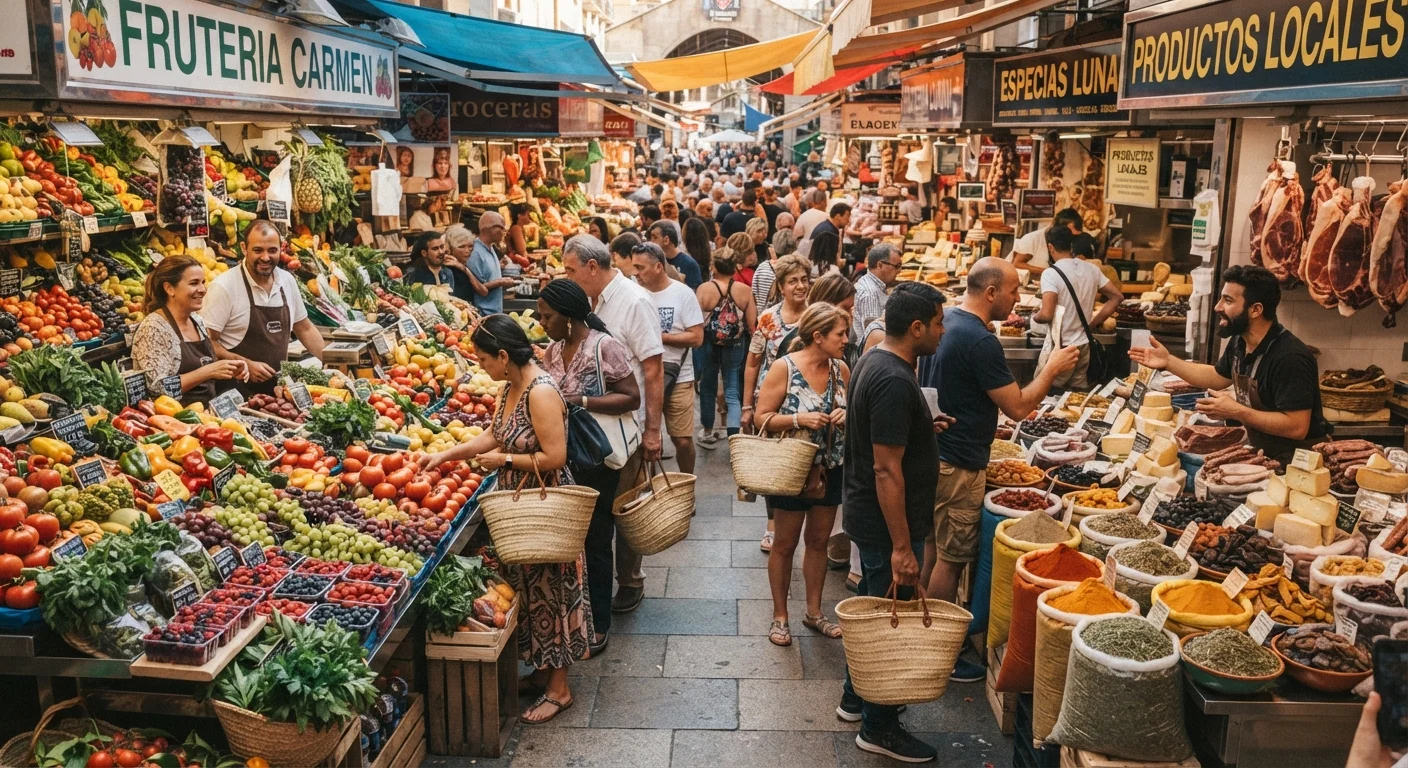
Walk into any well-established public food market and you're walking into a living archive. The stalls aren't arranged for aesthetic effect — they reflect what land nearby can grow, what communities settled here over generations, and what people actually eat on a Tuesday morning. A Vietnamese herb vendor beside a Mexican chili importer beside a third-generation Italian cheese seller isn't a food-hall concept. It's immigration history made edible.
Restaurants, by contrast, are always edited. Chefs curate, price for margin, and adjust menus for perceived audience. Markets operate closer to the bone. When mangoes are stacked three crates high and selling for a dollar each, that tells you something about regional supply chains and community purchasing power that no Yelp listing ever will.
“Markets are the most honest expression of a place's foodways. They haven't been edited for outside consumption — they exist for the people who live there.”
— Michael Pollan, Author and journalist covering food systems and culture
As you walk, slow down at the things that confuse you. An unfamiliar root vegetable, a prepared food you can't name, a spice sold by the pound with no English label — each one is a question worth asking the person behind the table. Most vendors are pleased to explain, and those brief exchanges are often the most authentic cultural encounters a traveler can have.
The Layers Worth Looking For
Seasoned travelers learn to read markets in layers. The first layer is agricultural: what grows here, what season it is, what's arriving from far away versus what was harvested nearby this week. A Pacific Northwest market heavy with Dungeness crab and wild mushrooms is telling you something very different from a Gulf Coast market stacked with gulf shrimp and mirliton squash.
The second layer is demographic. Signage languages, vendor surnames, the spices on offer, the cuts of meat displayed — these index the communities that have shaped a place over time. A market in a city like Los Angeles or Houston layers dozens of cultural traditions into a single city block. Smaller Midwestern markets might tell a quieter story of German or Scandinavian settlement, visible in the sausage varieties and pickled goods on offer.
8,600+
Registered farmers' markets across the US
According to USDA Agricultural Marketing Service data, the number of registered US farmers' markets has grown substantially over the past two decades, reflecting renewed interest in local food systems.
~30%
Of US adults who visit a farmers' market annually
Survey data from the USDA and related agricultural research suggests roughly a third of American adults shop at a farmers' market at least once per year, making these spaces major points of community gathering.
The third layer is economic. Who shops here? Are prices consistent with a working-class neighborhood doing its weekly grocery run, or have rents and demographics shifted the market toward specialty goods aimed at wealthier newcomers? That tension — between a market's original community and its current customer base — is one of the sharpest indicators of a neighborhood in transition. It's the kind of context that helps you understand how to get genuinely oriented in an unfamiliar city beyond just knowing which street you're on.
How to Approach a Market as a Curious Traveler
Go early and go without a checklist. The best market visits happen when you're not trying to acquire anything specific. Arrive when vendors are still setting up if possible — that's when the choreography of a working market is most visible, and when people are most willing to talk before the rush.
Talk to the Person Behind the Table
The single most underused tool in a food market is simple conversation. Ask a vendor where a specific ingredient comes from, how they prepare it at home, or what's particularly good this week. These exchanges are usually brief, genuine, and far more informative than any placard or guidebook entry.
Bring small bills and be willing to buy something small even if you can't take it home — a piece of fruit, a prepared bite, a handful of spice. That small transaction opens conversation in a way that browsing never does. If you're traveling with dietary restrictions or allergies, communicate them clearly and politely; most vendors can tell you exactly what's in their products, and that exchange often leads somewhere interesting.
For travelers planning across different types of destinations — whether comparing small-town America to major cities or weighing coastal towns against mountain towns — the food market is one of the most consistent indicators of what daily life actually feels like in that place. It's not a shortcut to understanding a destination. It's one of the most direct routes.
Frequently Asked Questions
Restaurants are edited experiences — menus reflect what owners think visitors want. Markets show what locals actually buy, in what quantities, and at what price points. That unfiltered view is far more revealing about daily life and regional food culture.
Look for markets held on weekday mornings, attended predominantly by local shoppers carrying bags rather than cameras. Municipal market halls and neighborhood farmers' markets listed by city agriculture departments tend to be less curated for visitors. See also our <a href="/travel-adventure/destinations-experiences/the-difference-between-a-tourist-trap-and-a-hidden-gem-and-how-to-tell">guide to telling tourist traps from hidden gems</a>.
Notice which ingredients dominate the stalls — they indicate what grows well locally. Pay attention to signage languages, vendor demographics, and price structures. Listen for how vendors describe their products; that language often encodes cultural pride or provenance.
Absolutely. Reading about a city's signature market — its history, layout, and what it's known for — can orient your expectations before you arrive. Pairing that with broader trip research, like the habits described in our <a href="/travel-adventure/trip-planning/how-experienced-travelers-approach-trip-research">experienced travelers' research approach</a>, builds a much richer mental map.
Often more so. In smaller communities, a single weekly farmers' market can be the primary social hub, making it an unusually concentrated expression of local identity. The contrasts between urban and rural market culture are themselves worth exploring.
Always ask first. Many vendors welcome it; others find constant photography intrusive during a busy workday. A brief, respectful ask — and genuine interest in what they're selling — goes a long way toward a warmer exchange.
The content on this site is for informational purposes only and is not a substitute for professional advice. Always consult a qualified professional for guidance specific to your situation.