

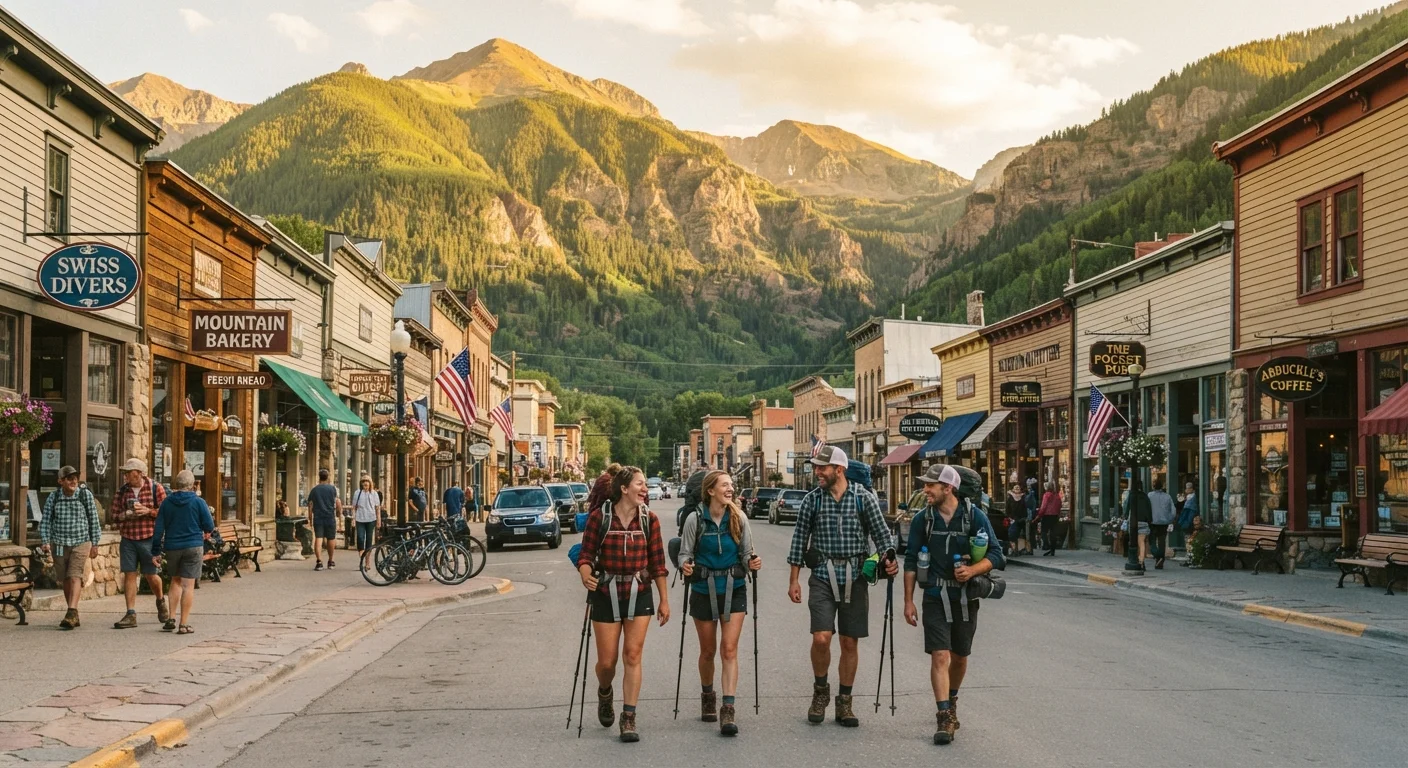
What Makes a Town a 'Trail Town'?
Along the Appalachian Trail's roughly 2,190 miles — stretching from Springer Mountain in Georgia to Mount Katahdin in Maine — a loose network of communities has grown up around the needs, energy, and dollars of long-distance hikers. These are known as trail towns: places close enough to the footpath that thru-hikers and section hikers regularly leave the woods to resupply, rest, and recharge.
Not every trailside hamlet qualifies. True trail towns tend to share a few defining traits: they're accessible by foot or a short shuttle, they host hiker-friendly businesses (outfitters, hostels, laundromats, diners with enormous portions), and they've developed a cultural identity that celebrates — rather than merely tolerates — the wandering community on their doorstep.
| Trail Total Length | ~2,190 miles (Appalachian Trail Conservancy) |
| States Traversed | 14 states (Georgia to Maine) |
| Annual Thru-Hiker Attempts | ~3,000–4,000 (Appalachian Trail Conservancy estimates) |
| ATC Headquarters Town | Harpers Ferry, West Virginia (Appalachian Trail Conservancy) |
| Busiest Trail Season | March – October (General northbound thru-hiker pattern) |
| Iconic Annual Festival | Trail Days, Damascus, VA (May) (Damascus, Virginia community event) |
If you've ever wondered how small-town travel compares to big-city exploration, AT trail towns are a compelling case study in how a single geographic feature can define an entire community's personality.
Iconic Trail Towns Worth Knowing
Each trail town has its own distinct character, shaped by local geography, regional culture, and how deeply the trail has woven itself into daily life.
Damascus, Virginia
Often called "the friendliest town on the trail," Damascus sits right on the AT and hosts Trail Days, an annual festival drawing thousands of past and present thru-hikers each May. The town's main street doubles as the trail corridor itself, and outfitter shops, hostels, and hiker-focused cafes line the route. Damascus also anchors the Virginia Creeper Trail, a rail-trail popular with cyclists.
Hot Springs, North Carolina
This small town in the Pisgah National Forest is one of the few places where the AT runs directly through a downtown area. Natural mineral springs fed the town's original resort culture, and today it offers hikers a rare chance to soak tired muscles in thermal baths — a genuinely restorative stop.
Harpers Ferry, West Virginia
The psychological midpoint of the trail (though not the geographic one), Harpers Ferry carries layers of Civil War history alongside its hiker-friendly infrastructure. The Appalachian Trail Conservancy maintains its headquarters here, making it an informational hub as much as a rest stop.
Rangeley, Maine
Near the remote, rugged stretch of Maine's 100-Mile Wilderness, Rangeley offers a last-chance resupply point for northbound hikers bracing for the trail's most isolated section. Its lakeside setting and outdoor recreation culture make it a destination worth visiting even without a backpack.
Thru-hiker
Someone attempting to hike the entire Appalachian Trail in a single continuous journey, typically taking four to seven months.
Section hiker
A hiker who completes the AT in multiple separate trips over weeks, years, or decades rather than in one continuous push.
Resupply
The process of restocking food, fuel, and gear during a long-distance hike. Trail towns serve as critical resupply hubs.
Zero day
A rest day when a hiker covers zero trail miles — often spent in a trail town recovering, resupplying, and socializing.
Hiker hostel
Budget lodging specifically geared toward long-distance hikers, often offering bunk beds, laundry, and gear storage.
What These Communities Offer Visitors
You don't need to be a thru-hiker to appreciate a trail town. Many travelers visit purely to experience the atmosphere — the mix of weathered backpackers, local regulars, and weekend section hikers creates a genuinely welcoming social scene that's hard to replicate elsewhere.
Practically speaking, trail towns tend to offer:
- Outfitter shops with knowledgeable staff and gear repair services
- Hostels and hiker-friendly lodging at a range of price points
- Local restaurants known for generous portions and unpretentious menus
- Trailhead access for day hikes that showcase the surrounding landscape
- Community events tied to the hiking calendar
The rhythm of a mountain town applies here — expect a pace shaped by seasons, weather, and nature rather than city schedules. Trail towns tend to be busiest from March through October, tracking the northbound thru-hiker wave.
~3 million
Annual AT visitors and day hikers
The Appalachian Trail Conservancy estimates several million people use portions of the AT each year.
500+
Miles of trail passing through Virginia alone
Virginia contains more AT mileage than any other single state along the corridor.
Visitors should always confirm local business hours and seasonal availability before arriving, as smaller trail towns can see dramatic swings between peak and off-season activity.
Planning a Visit to an AT Trail Town
Approaching a trail town as a destination — rather than a waypoint — opens up a genuinely rewarding style of travel. A few things to keep in mind:
Timing
Northbound thru-hikers typically pass through southern trail towns between March and May, and northern towns between July and September. If experiencing trail culture is part of your goal, aligning your visit with these windows makes a real difference.
Transportation
Many trail towns are intentionally small and may lack direct public transit. Driving is often the most practical option, though some towns offer free or low-cost shuttles connecting to the trailhead. Always verify access options before your trip.
Accommodation
Options range from rustic hostels to independent inns and vacation rentals. During Trail Days in Damascus or peak season in popular towns, booking well in advance is wise. Some travelers combine trail towns into a multi-stop road trip — a satisfying way to absorb the full cultural breadth of the corridor.
Whether you're a seasoned backpacker, a curious road tripper, or simply drawn to places with a strong sense of identity, Appalachian Trail towns offer something genuinely worth seeking out.
This article is for general informational purposes. Always verify current conditions, business hours, and trail access with official sources — including the Appalachian Trail Conservancy and relevant land management agencies — before planning your trip.
The content on this site is for informational purposes only and is not a substitute for professional advice. Always consult a qualified professional for guidance specific to your situation.