

Why Region Shapes Everything
Visiting a national park isn't a single kind of experience — it's dozens. Where you go determines whether you're layering up at dawn, slathering on SPF 50 in dry heat, or pulling on rain gear before a coastal hike. Understanding what each region actually feels like — physically, emotionally, logistically — helps you choose parks that match your travel style and fitness level.
Whether you're a first-timer or a seasoned park-hopper, see our complete first-visit guide for entry passes, permit systems, and campsite realities before you go.
| Total National Parks in the US | 63 designated national parks (National Park Service) |
| Annual Visitors (system-wide) | Over 300 million recreation visits (National Park Service annual report) |
| Driest Region | Southwest (Mojave / Colorado Plateau) |
| Wettest Park | Hoh Rainforest, Olympic NP (WA) — ~140 inches/year (NOAA climate data) |
| Highest Park Elevation | Denali summit: 20,310 ft (US Geological Survey) |
| Most Visited Park | Great Smoky Mountains NP (National Park Service visitor statistics) |
The Southwest: Big Sky, Bigger Silence
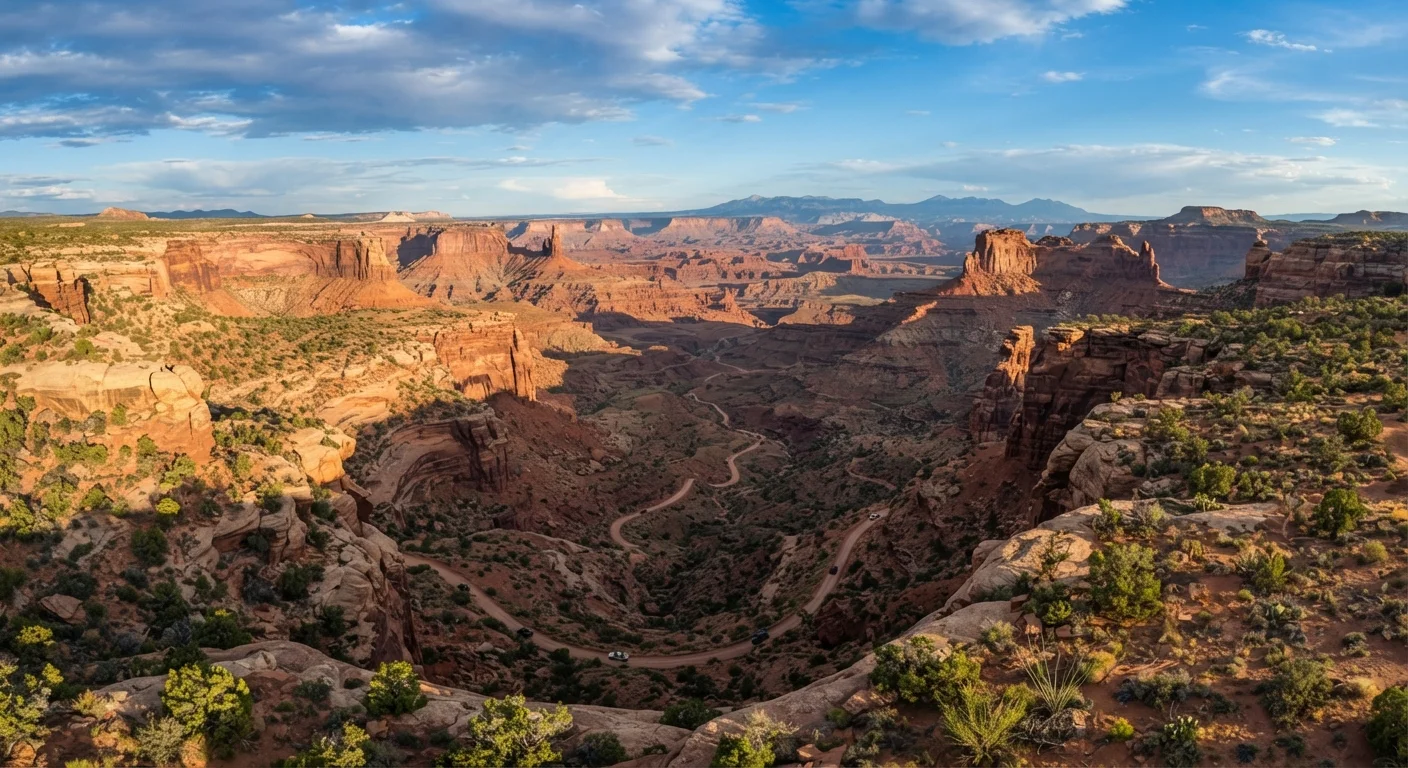
Parks like Grand Canyon, Zion, Arches, and Bryce Canyon define the Southwest experience: towering red rock formations, bone-dry air, and a silence so complete it feels tangible. Expect scorching midday temperatures in summer — trails that are perfectly comfortable at 7 a.m. can become genuinely dangerous by noon. Shade is rare, water sources are sparse, and cell coverage disappears fast.
The payoff is extraordinary. Slot canyons glow in filtered amber light. Star-gazing from canyon rims rivals anything on the planet. And the sheer geological drama — cliffs stacked in stripes of crimson, orange, and cream — rewards every twist of the trail.
For a deeper look at what desert travel physically demands, including hydration strategies and flash flood awareness, see our guide to desert travel in the American West.
Elevation gain
The total vertical distance climbed on a trail, measured in feet or meters. High elevation gain trails demand more cardiovascular effort and carry altitude-related risks for some visitors.
Flash flood zone
A canyon or wash area where rainfall — even miles away — can send a sudden, fast-moving wall of water through the terrain with little warning. Common in Southwest slot canyons.
Treeline
The altitude above which trees can no longer grow due to cold temperatures and wind. In Rocky Mountain parks, treeline sits roughly between 11,000–12,000 feet.
Backcountry
Undeveloped, remote areas of a park accessible only by foot, boat, or horse. Backcountry travel typically requires permits and self-sufficient gear.
The Pacific Northwest & Rockies: Green, Cold, and Vertical
Olympic, Rainier, Glacier, and North Cascades occupy a completely different emotional register. These parks are lush, cool, and often shrouded in mist or low cloud. Snowfields linger into summer at elevation; trails above treeline can still be icy in July. The physical demands are vertical — sustained elevation gains rather than flat desert trudges.
The reward is a different kind of awe: glacial lakes that mirror jagged peaks, old-growth forest floors carpeted in ferns, and wildlife corridors where elk and black bears are genuinely common sightings. Rainy days don't ruin these parks — they soften the light and empty the crowds.
If you're drawn to places that reveal themselves gradually, the destinations that reward slower visits article covers parks and regions where more time always pays off.
140 in
Annual rainfall at Hoh Rainforest, Olympic NP
According to NOAA climate records, making it one of the wettest places in the contiguous United States.
12.9M
Visitors to Great Smoky Mountains annually
National Park Service visitor statistics consistently show it as the most visited national park in the US.
63
Designated national parks across all US regions
As counted by the National Park Service, spanning habitats from arctic tundra to subtropical wetlands.
The East, Gulf Coast & Alaska: Humidity, Wildness, and Scale
The East's parks — Shenandoah, Great Smoky Mountains, Acadia — feel intimate and layered. Dense hardwood forest creates a canopy that filters summer heat into dappled shade. Fall foliage transforms these parks into something almost theatrical. Humidity is the constant companion, and afternoon thunderstorms are a given in peak summer.
The Gulf Coast's Everglades is a park defined entirely by water — flat, slow-moving, and teeming with wildlife. Alligators are not a novelty here; they share the trail. Alaska's Denali and Wrangell–St. Elias operate on a scale that dwarfs anything in the Lower 48, with genuinely remote backcountry, unpredictable weather, and long summer daylight that disorients and delights in equal measure.
For a broader look at how coastal and inland geography shapes travel rhythm — including the contrast between ocean-facing and mountain-facing destinations — explore our piece on coastal towns versus mountain towns.
The content on this site is for informational purposes only and is not a substitute for professional advice. Always consult a qualified professional for guidance specific to your situation.