

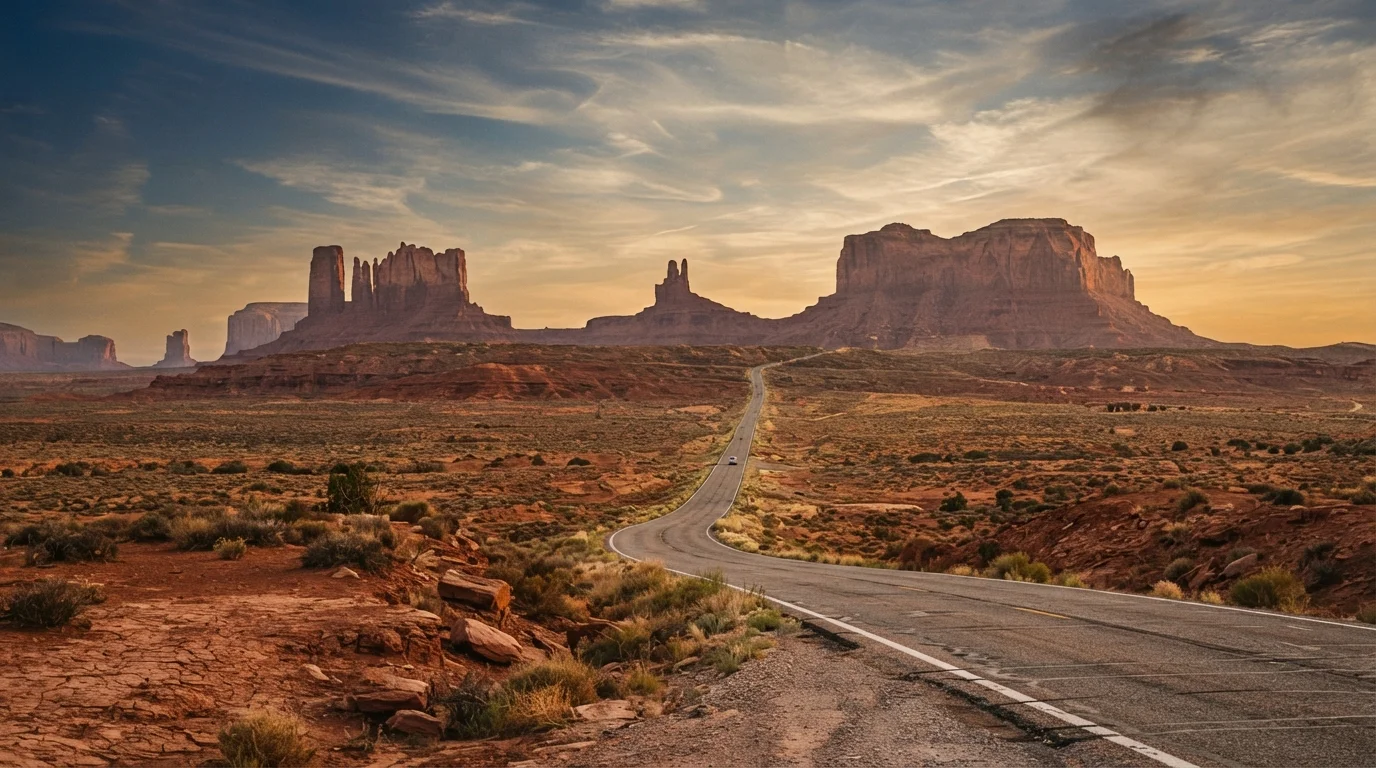
Why the Desert Demands a Different Mindset
America's desert West — spanning the Sonoran, Mojave, Chihuahuan, and Colorado Plateau regions — is among the most extraordinary travel terrain on the continent. It is also among the most unforgiving. The same features that make it stunning (scale, silence, sparse population) are exactly what make poor preparation genuinely dangerous. The good news: the risks are well-understood and highly manageable when travelers go in with accurate expectations rather than romanticized ones.
If you're comparing the pace and demands of different landscape types, our look at coastal towns versus mountain towns illustrates how geography fundamentally shapes the experience — the desert is another category entirely. For a broader pre-trip checklist framework, Before You Visit a Remote Wilderness Area is worth bookmarking alongside this guide.
Heat, Hydration, and the Body's Warning Signs
Heat illness is the leading cause of weather-related deaths in US national parks, and most cases are preventable. The desert's low humidity accelerates sweat evaporation so effectively that many travelers underestimate how much fluid they're losing. By the time thirst becomes noticeable, mild dehydration is already underway.
For the specific health contrasts between hot and cold climates, the companion piece on traveling in extreme heat versus extreme cold offers a useful side-by-side breakdown of warning signs and general precautions. All health considerations here are general information — always consult a qualified healthcare professional about your personal medical situation before desert travel.
“The desert tells a different story every time. Its truths are not comfortable, but they are clarifying — if you arrive prepared to listen.”
— Edward Abbey, Author and desert conservationist, known for writings on the American Southwest
Altitude, Isolation, and the Communication Gap
Many popular desert destinations — Monument Valley, Bryce Canyon, sections of the Grand Canyon rim — sit between 5,000 and 8,000 feet. That elevation meaningfully amplifies UV radiation exposure and can tax the cardiovascular system, particularly in combination with heat. Travelers arriving from lower elevations should allow at least one full day of light activity before any strenuous hiking.
Isolation compounds every other risk. Cell coverage on the Colorado Plateau and across much of the Mojave and Chihuahuan deserts is patchy at best and nonexistent in many backcountry corridors. Downloading offline maps (park service apps and dedicated GPS tools both support this), filing a detailed trip plan with someone you trust, and carrying a personal locator beacon or satellite messaging device are practices that emergency responders consistently recommend. These aren't overcautious measures — they're standard operating procedure in remote desert terrain.
Solo travelers face a specific version of this challenge. Our honest look at solo travel across the US addresses the freedom-versus-friction balance — in desert country, that friction can have real physical stakes.
Flash Floods, Sun, and Situational Awareness
Flash floods are one of the desert's most counterintuitive hazards. A slot canyon can fill with raging water under a clear blue sky because a thunderstorm occurred miles away upstream. The National Weather Service and most park service visitor centers provide current flash flood watches and warnings — checking both before entering any canyon system is essential, not optional.
Sun exposure at desert latitudes and elevations is also more intense than most travelers account for. Reapplying broad-spectrum sunscreen every two hours, wearing UPF-rated clothing, and using a wide-brimmed hat significantly reduces cumulative UV exposure across a multi-day trip. Start activities at dawn when possible, retreat to shade or a vehicle between roughly 10 a.m. and 4 p.m., and save strenuous effort for early morning or late afternoon.
All of these considerations tie into the broader travel safety picture covered in our Travel Safety & Wellness hub, which brings together trusted guidance across conditions and destinations. For extended stays or road trips, the psychological dimension of isolation is worth acknowledging too — the mental health side of long-term travel speaks to that honestly. Good trip planning starts well before departure; our trip planning guides can help you build a solid framework from the start.
This article is for general informational and educational purposes only. It does not constitute medical, safety, or emergency advice. Always verify conditions with official park services and government sources before traveling, and consult a qualified healthcare professional for personal health guidance.
The content on this site is for informational purposes only and is not a substitute for professional advice. Always consult a qualified professional for guidance specific to your situation.