

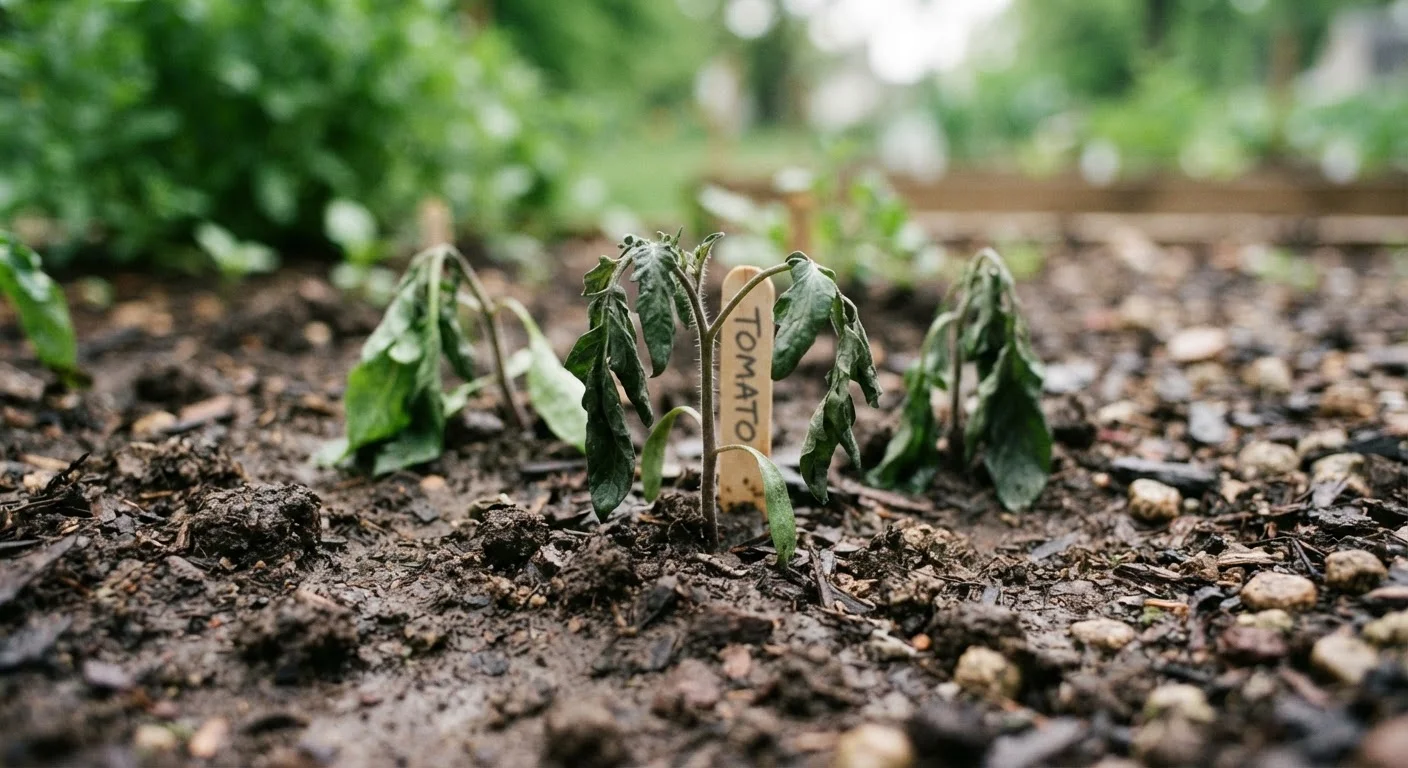
What Is Transplant Shock — and Why Does It Happen?
When a seedling is uprooted from the controlled environment of a seed tray and placed in outdoor soil, it faces an abrupt change in temperature, light intensity, humidity, and root space. The stress this triggers is called transplant shock — a period during which the plant struggles to absorb water and nutrients while simultaneously trying to re-establish its root system.
Transplant shock itself is normal. What turns it fatal is the combination of mistakes gardeners often make in the days before and after moving plants outside. Understanding those errors — and why they happen — is the fastest way to stop losing seedlings.
If you're planning a full garden layout from scratch, our vegetable garden starter guide walks through site prep and planting timing in detail.
Common Transplanting Mistakes and How to Avoid Them
The mistakes below account for the majority of seedling losses at transplant time. Each one is straightforward to correct once you recognize it.
Skipping the hardening-off process entirely.
Why it happens: Many gardeners are eager to get plants in the ground and underestimate how dramatically outdoor conditions differ from a windowsill or grow-light setup.
Transplanting during the hottest, sunniest part of the day.
Why it happens: Daytime is simply when most people are working in the garden, so seedlings get moved whenever it's convenient rather than when conditions are favorable.
Disturbing or breaking the root ball when removing seedlings from their containers.
Why it happens: Hurrying through the process or using dry soil that crumbles leads to torn or severed roots — the very structures the plant needs to recover.
Planting at the wrong depth.
Why it happens: Without a clear visual reference, many gardeners plant too shallow (exposing roots) or too deep (burying the crown and inviting rot).
Failing to water immediately and consistently after transplanting.
Why it happens: It's easy to assume rain will handle watering, or that a single post-planting soak is sufficient when the soil looks moist.
Wilting Doesn't Always Mean Underwatering
Overwatering a freshly transplanted seedling is just as damaging as drought. Waterlogged soil deprives roots of oxygen and encourages fungal diseases like damping off. If the soil already feels moist when you press a finger an inch below the surface, hold off on watering even if the plant looks droopy.
Setting Your Seedlings Up for Long-Term Success
Beyond avoiding individual errors, a few consistent habits make the entire transplanting process more forgiving. Water seedlings deeply but infrequently in the first two weeks — this encourages roots to grow downward in search of moisture rather than staying shallow. A thin layer of mulch around (but not touching) the base of each plant helps retain soil moisture and moderate temperature swings.
Soil quality matters as much as technique. Nutrient imbalances and incorrect pH can cause symptoms that look like transplant shock but persist long after the plant should have settled. Our article on soil pH and plant health explains how to test and correct your garden soil. Similarly, how and when you water can make or break recovery — check out common garden watering myths to make sure good intentions aren't causing hidden damage.
7–10 days
Recommended hardening-off period before transplanting
Extension horticulturists generally recommend a gradual 7–10 day acclimatization period to reduce transplant stress significantly.
2–3 weeks
Typical seedling establishment window after transplanting
Under suitable conditions, most vegetable and annual seedlings show visible new growth within two to three weeks of successful transplanting.
With the right preparation, most healthy seedlings establish themselves within two to three weeks of transplanting. Patience, attentive watering, and avoiding the mistakes above give your young plants the strongest possible foundation.
The content on this site is for informational purposes only and is not a substitute for professional advice. Always consult a qualified professional for guidance specific to your situation.