

What Happens in Your Body When You're Stressed
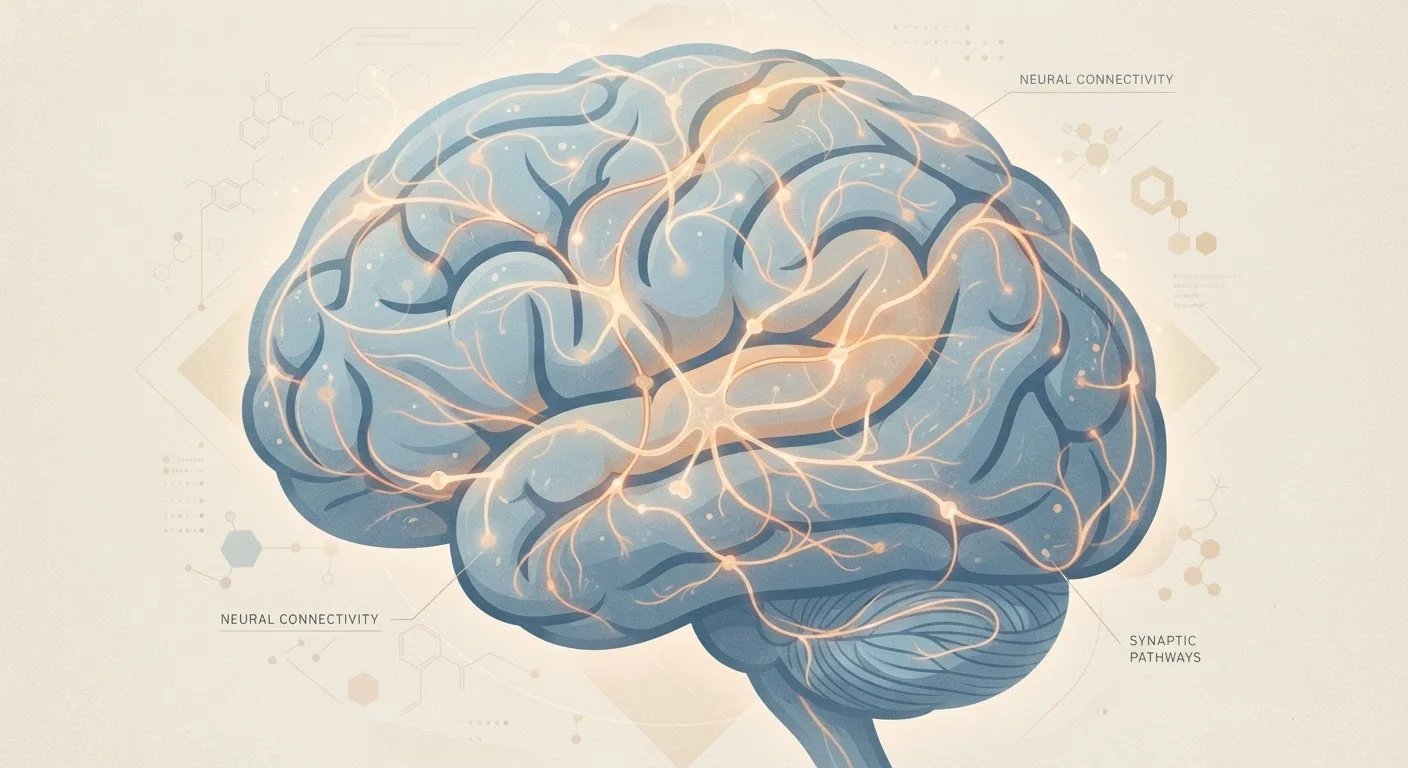
When your brain perceives a threat — real or imagined — it triggers an immediate cascade of biological activity. The amygdala, a structure involved in processing emotions, sends an alarm signal to the hypothalamus, which acts as a command center. This activates the sympathetic nervous system and prompts the adrenal glands to release adrenaline and, shortly after, cortisol.
The results are familiar: heart rate increases, breathing quickens, muscles tense, and digestion slows. These changes evolved to help ancestors outrun predators. The same mechanisms activate today whether the trigger is a genuine emergency or a difficult email. Understanding this helps explain why stress can feel so physical even when the cause is entirely psychological.
Your Perception Shapes the Response
The stress response can be triggered by imagined or anticipated threats just as readily as real ones. Research in cognitive psychology shows that how you appraise a situation — whether you see it as threatening or manageable — significantly influences the intensity of the biological response that follows. This is why two people can face the same event and experience it very differently.
Acute Stress vs. Chronic Stress: Why the Distinction Matters
Not all stress is created equal. Acute stress — the kind that spikes and resolves — is a normal, often useful part of life. Studies on performance suggest moderate, short-lived stress can improve focus, memory consolidation, and motivation. Athletes and professionals in high-stakes roles routinely leverage this effect.
Chronic stress is a different matter. When the stress response stays activated over weeks, months, or longer — without adequate recovery — the body begins to bear a measurable physiological burden. Sustained elevated cortisol has been associated with disrupted sleep, suppressed immune function, increased inflammation, and changes in mood and cognition. For a deeper look at how background stress accumulates over time, see The Hidden Cost of Chronic Low-Grade Stress.
77%
Adults reporting physical stress symptoms
According to the American Psychological Association's Stress in America survey, a large majority of US adults regularly experience physical symptoms they attribute to stress.
3x
Higher cardiovascular risk with chronic work stress
Research published in peer-reviewed cardiovascular journals has found that prolonged occupational stress is associated with meaningfully elevated risk of heart-related events compared to low-stress environments.
20–30 min
Exercise duration linked to mood improvement
Multiple studies suggest that as little as 20 to 30 minutes of moderate aerobic activity can produce measurable reductions in self-reported stress and anxiety on the same day.
What the Research Actually Supports for Managing Stress
The good news is that a meaningful body of research supports several accessible strategies for reducing stress burden — not as cures, but as genuine tools with measurable effects.
- Controlled breathing: Slow, deliberate breathing activates the parasympathetic nervous system, countering the stress response. Techniques like diaphragmatic breathing have demonstrated measurable reductions in cortisol and heart rate in multiple studies.
- Physical activity: Regular moderate exercise is one of the most consistently supported stress-reduction behaviors across the research literature.
- Social support: Meaningful connection has a well-documented buffering effect on stress. Social Connection and Mental Health explores this in greater depth.
- Cognitive reappraisal: Reframing how you interpret a stressor — a cornerstone of cognitive behavioral approaches — can genuinely reduce the intensity of the stress response.
For a structured way to explore your own stress patterns, A Practical Stress Audit offers prompts worth working through.
Start With What You Can Control
You don't need a comprehensive wellness plan to begin reducing stress load. Identifying even one consistent recovery practice — a short walk, a few minutes of slow breathing, a regular sleep schedule — can meaningfully shift your baseline over time. Small, sustained habits have stronger evidence behind them than occasional intensive interventions.
The Mind-Body Loop and What It Means Practically
Stress does not exist only in the mind or only in the body — it operates across both simultaneously. This is why emotional regulation skills matter alongside physical strategies. Emotional regulation techniques can help interrupt the cycle before physiological arousal escalates.
Similarly, relaxation techniques that directly target the nervous system — such as controlled breathing and progressive muscle relaxation — work precisely because they intervene in the physiological chain. For a comparison of two well-researched methods, Deep Breathing vs. Progressive Muscle Relaxation lays out what each approach involves and when each tends to be most useful.
“It's not stress that kills us, it is our reaction to it. Learning to manage the response is one of the most health-relevant skills a person can develop.”
— Hans Selye, Endocrinologist and pioneering stress researcher
This article is for general informational purposes only and does not constitute medical advice. If you are experiencing significant or persistent stress, please consult a qualified healthcare professional.
Frequently Asked Questions
No. Short-term stress — sometimes called acute stress — can actually improve alertness, motivation, and performance. Research on what psychologists call 'eustress' shows that manageable challenges can be beneficial. It is chronic, unrelenting stress that is most consistently linked to adverse health outcomes.
Cortisol helps regulate blood sugar, metabolism, and inflammation. During stress, elevated cortisol prepares the body for action by increasing available energy. When cortisol remains elevated long-term, it can disrupt sleep, immune function, and cardiovascular health.
Yes. Headaches, muscle tension, digestive upset, fatigue, and disrupted sleep are all commonly associated with stress. These physical effects arise because the stress response involves virtually every system in the body, not just the brain.
Signs that stress may be exceeding your coping capacity include persistent sleep problems, difficulty concentrating, irritability, and physical symptoms without a clear medical cause. A qualified healthcare professional can help assess whether your stress is within a manageable range or warrants clinical support.
Research consistently supports physical activity as a meaningful stress-reduction strategy. Exercise appears to lower baseline cortisol, improve mood through endorphin release, and enhance sleep quality — all of which reduce the burden of stress over time.
If stress is significantly impairing your daily life, relationships, or physical health, speaking with a licensed mental health professional or your primary care provider is strongly recommended. There is no threshold you need to reach before seeking support.
The content on this site is for informational purposes only and is not a substitute for professional advice. Always consult a qualified professional for guidance specific to your situation.