

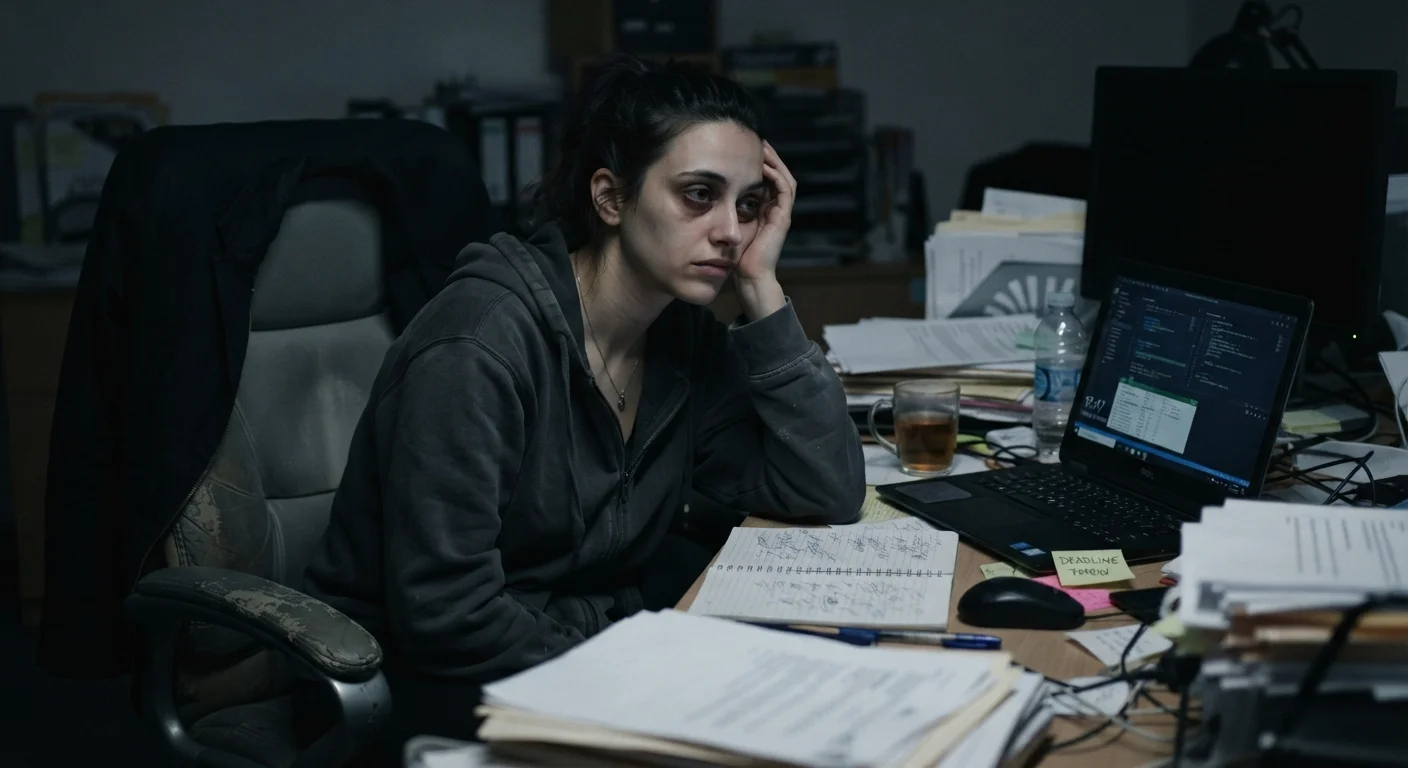
Why Low-Grade Stress Flies Under the Radar
There's a particular kind of stress that rarely shows up as a meltdown or a panic attack. It's the low hum of tension that runs beneath an ordinary Tuesday — the unpaid bill sitting in the back of your mind, the meeting you're dreading, the to-do list that never fully clears. Because it doesn't feel urgent, most people don't label it as stress at all. They call it "just being busy" or "how life is."
This normalization is precisely what makes chronic low-grade stress worth understanding. When occasional tension becomes a near-constant background state, the body doesn't get the recovery time it needs. To understand the underlying physiology, our guide to what stress science actually tells us walks through how the body's stress response is designed to work — and where sustained activation causes problems.
Stress Affects Everyone Differently
Two people facing identical circumstances can experience very different stress responses based on genetics, prior experience, social support, and coping styles. What feels manageable to one person may be genuinely overwhelming to another. Avoid comparing your stress load to others' as a measure of whether your experience is valid or worth addressing.
What Happens in the Body Over Time
The stress response evolved to handle short-term threats. Cortisol and adrenaline rise, focus sharpens, and the body mobilizes energy. Once the threat passes, these hormones recede and the body returns to baseline. The problem with chronic low-grade stress is that this return to baseline rarely happens fully.
When cortisol remains elevated over weeks or months, its effects accumulate. Research has associated prolonged stress with disruptions to immune function, changes in sleep quality, reduced working memory, and increased inflammation. Sleep, in particular, becomes a significant casualty — and disrupted sleep then amplifies stress sensitivity, creating a reinforcing cycle. Our article on the connection between sleep and physical health explores how this cycle affects the body's recovery processes.
77%
Adults reporting physical symptoms of stress
According to American Psychological Association survey data, a substantial majority of US adults report experiencing physical symptoms they associate with stress.
~33%
Adults describing stress as extreme
APA Stress in America reports have consistently found roughly one in three adults rating their stress at high levels, yet many do not seek support.
6x
Increased cold susceptibility under chronic stress
Research published in peer-reviewed journals has found that individuals under sustained psychological stress showed meaningfully higher rates of developing respiratory infections when exposed to cold viruses.
The Subtle Signs Worth Paying Attention To
Because the symptoms of chronic low-grade stress are diffuse, they're often attributed to other causes — aging, diet, a particularly demanding week. Common patterns include:
- Difficulty switching off — trouble relaxing even when nothing is immediately wrong
- Mental fog or forgetfulness — struggling to concentrate or retain information
- Irritability without a clear trigger — reacting disproportionately to minor frustrations
- Physical tension — jaw clenching, tight shoulders, or recurring headaches
- Disrupted sleep — waking frequently or not feeling rested despite adequate hours
None of these symptoms confirm a stress problem on their own, and a healthcare provider should be consulted if they are persistent or worsening. What matters here is pattern recognition over time.
“Stress is not what happens to us. It's our response to what happens. And response is something we can choose.”
— Maureen Killoran, Unitarian Universalist minister and wellness educator
Starting to See Your Stress More Clearly
One of the most practical steps is simply making the invisible visible. Chronic stress thrives on vagueness — the general sense that "everything is a lot" without any clear identification of what, specifically, is driving the tension. Structured self-reflection can help interrupt that pattern.
Our practical stress audit offers a set of guided questions designed to help you map your stress sources and notice where small changes might reduce the overall load. It's a starting point, not a solution — but clarity tends to make most problems more manageable.
It's also worth noting that stress doesn't stay neatly within the boundaries of individual experience. Household stress can affect those around you — including, as research on stress in pets suggests, animals who are sensitive to changes in home environment and routine.
Name It to Tame It
Research in affective neuroscience suggests that labeling an emotional state — simply saying or writing "I feel stressed" — can help reduce its intensity by engaging the prefrontal cortex. Keeping a brief daily log of stressors and your reactions to them over two to three weeks can make patterns visible that are otherwise easy to dismiss. This is not a substitute for professional support, but it is a low-barrier starting point.
This article is for general informational purposes only and does not constitute medical or mental health advice. If stress is affecting your daily functioning, please consult a qualified healthcare or mental health professional.
Frequently Asked Questions
Normal stress tends to be short-lived and resolves once the triggering situation passes. Chronic low-grade stress, by contrast, is ongoing — it rarely fully switches off. The key difference is duration and the body's inability to return to a relaxed baseline between stressors.
Common signs include persistent fatigue, difficulty concentrating, disrupted sleep, irritability, and a general sense of being overwhelmed without a clear cause. Physical symptoms such as tension headaches or digestive discomfort may also appear over time.
Research broadly associates long-term stress with elevated inflammation markers, impaired immune function, and sleep disruption. These effects can, over time, contribute to a range of health concerns. A healthcare provider can help assess any symptoms you're experiencing.
They often overlap, but they are not identical. Chronic stress is typically linked to ongoing external pressures, while anxiety disorders involve persistent worry that may persist even when stressors are reduced. If you are unsure which applies to you, speak with a qualified mental health professional.
Evidence-informed approaches include improving sleep habits, regular physical activity, structured relaxation practices, and identifying and addressing key stress sources. A mental health professional can help tailor strategies to your specific situation.
If stress is affecting your sleep, concentration, relationships, or physical health on a sustained basis, it is worth discussing with a healthcare provider. Do not wait for a crisis — early intervention is generally more effective.
The content on this site is for informational purposes only and is not a substitute for professional advice. Always consult a qualified professional for guidance specific to your situation.