

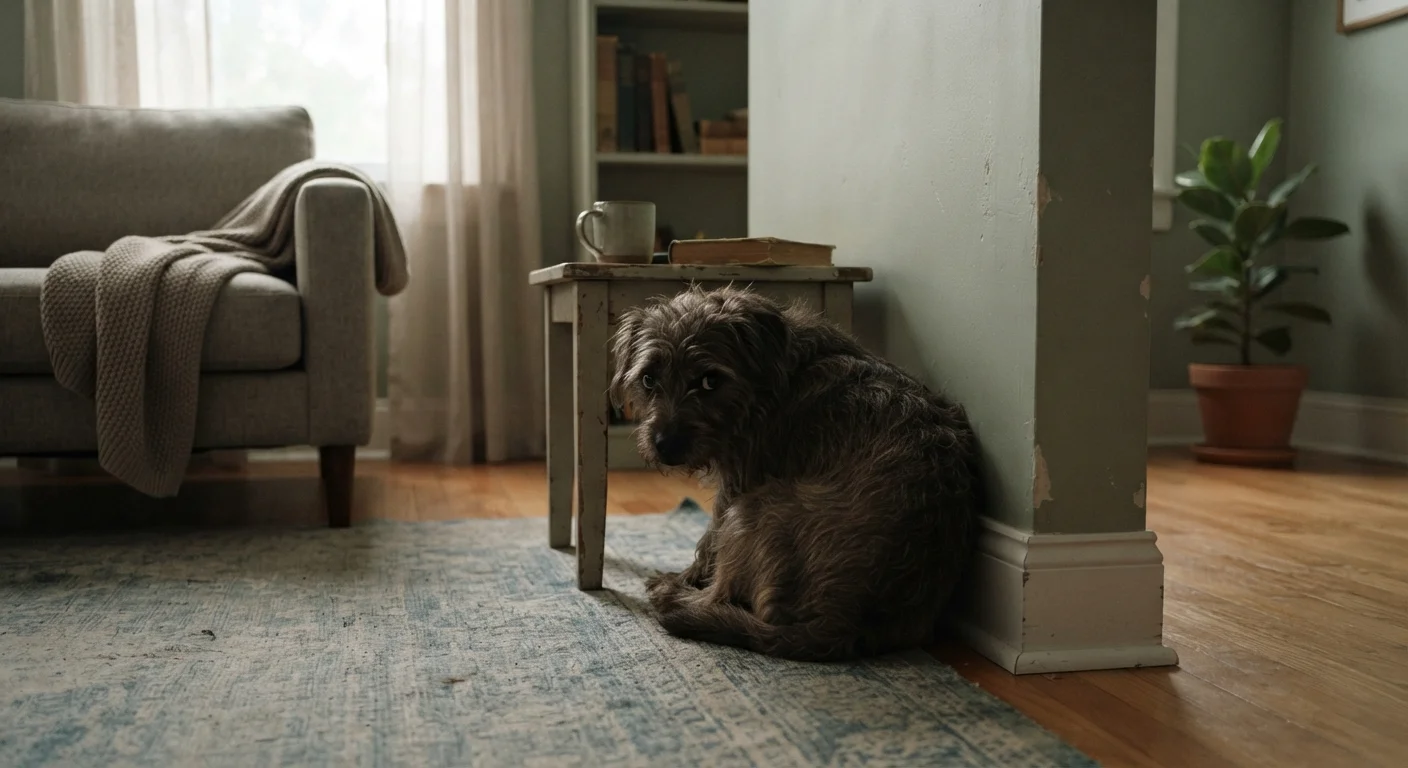
Why Pet Stress Is So Easy to Overlook
Stress in pets rarely looks like a dramatic breakdown. More often, it appears as small shifts — a cat that grooms a little more, a dog that eats a little less, a rabbit that retreats to its hiding spot more frequently. Because these changes unfold gradually, owners often adapt around them without recognizing what they're seeing.
Understanding the genuine causes of pet stress requires looking past the obvious triggers like thunderstorms or vet visits. Many stressors are woven into everyday household life, invisible precisely because they're so familiar. The signs that a pet is under stress can be equally subtle, which is why identifying root causes matters just as much as reading symptoms.
This article focuses on the common mistakes owners make — not out of neglect, but out of not knowing what to look for — and what to do differently.
Dismissing household scents and chemical products as stress triggers.
Why it happens: Owners apply cleaning products, air fresheners, candles, or essential oils without considering how intensely pets — especially cats and dogs — perceive them. A scent that seems mild to humans can be overwhelming to an animal with a far more sensitive olfactory system.
Ignoring how irregular feeding and activity schedules affect a pet's stress level.
Why it happens: Modern schedules shift constantly, and owners naturally assume pets will simply adapt. In reality, animals are highly attuned to routine, and unpredictable mealtimes or erratic exercise windows can create a low-level sense of insecurity that compounds over time.
Underestimating the impact of household noise — particularly high-frequency sounds.
Why it happens: Humans hear a narrower frequency range than most pets. Electronic devices, certain appliances, and even the frequencies emitted by televisions or security systems can be audible — and aversive — to dogs and cats without owners being aware of any sound at all.
Missing how inter-pet social dynamics create ongoing stress.
Why it happens: Owners often assume that pets sharing a home have reached a comfortable equilibrium, especially if overt conflict is rare. Subtle social tension — resource guarding, blocked access to resting spots, or one animal consistently displacing another — can maintain a stress state in a subordinate pet without any visible fighting.
Assuming that physical inactivity alone explains lethargy — and missing stress as the cause.
Why it happens: Fatigue from insufficient exercise and withdrawal driven by stress can look nearly identical. Owners who focus on increasing activity without addressing an underlying stress source may see no improvement, or may inadvertently add stimulation that compounds the problem.
How Chronic Stress Affects Pet Health
A single stressful event rarely causes lasting harm. The real concern is chronic, low-grade stress — the kind that accumulates when a pet is repeatedly exposed to unaddressed triggers. Over time, sustained activation of the stress response can suppress immune function, disrupt digestion, and contribute to conditions such as skin problems, urinary issues (particularly in cats), and compulsive behaviors.
~30%
Cats showing stress-related lower urinary tract issues
Veterinary literature consistently links stress to feline idiopathic cystitis, with environmental stress implicated in a significant proportion of cases presenting without other identified causes.
70%+
Dogs estimated to show noise sensitivity
Research published in applied animal behavior journals suggests that noise-related anxiety is among the most prevalent welfare concerns in domestic dogs, often going unaddressed by owners.
Behavioral health is equally at stake. Pets experiencing ongoing stress may develop anxiety-based behaviors — excessive vocalization, destructive chewing, inappropriate elimination, or aggression — that are often misread as disobedience. Recognizing the health stakes is one reason consistent daily habits are so foundational to a pet's wellbeing.
If a pet's behavior shifts suddenly or significantly, that warrants attention beyond routine management. See guidance on responding to behavioral changes that signal distress for a structured approach to monitoring and deciding when professional input is needed.
When to Consult a Veterinarian
Persistent behavioral changes — including appetite loss, unusual aggression, compulsive behaviors, or elimination outside normal habits — should always be evaluated by a veterinarian to rule out underlying medical causes before attributing them to stress alone. Pain and illness can mimic or exacerbate stress responses. A veterinary behaviorist can also provide targeted guidance when stress-related behavior does not respond to environmental management.
Building a Less Stressful Environment
Once the common mistakes are understood, reducing pet stress is largely a matter of making thoughtful adjustments to routine and environment. Predictability is one of the most powerful tools available — animals rely on consistent feeding times, exercise schedules, and social interactions to feel safe. Sudden changes to any of these, even brief ones, can register as a threat.
Physical space also matters more than many owners realize. Pets need areas where they can fully retreat from stimulation — not just a corner, but a genuinely quiet, low-traffic zone where they're not disturbed. This is especially important in multi-pet or multi-person households. Creating a safe home environment covers practical steps for reducing environmental hazards and building spaces that support a pet's sense of security.
For pets prone to anxiety around owner departures, understanding the emotional roots of that response can inform more effective strategies. Separation anxiety is more complex than it first appears, and addressing it requires more than behavioral correction alone.
This article is for general informational purposes only and does not constitute veterinary medical advice. If you have concerns about your pet's health or behavior, consult a licensed veterinarian or veterinary behaviorist.
The content on this site is for informational purposes only and is not a substitute for professional advice. Always consult a qualified professional for guidance specific to your situation.