

Start here
Why Maintenance Matters More Than You Think
Build knowledge
The Fluids Your Car Depends On
Safety essentials
Tires, Brakes, and Filters: The Safety Basics
Get organized
Following Your Service Schedule
Know your limits
What You Can Do Yourself vs. When to See a Mechanic
Why Maintenance Matters More Than You Think
Most new car owners focus heavily on the driving experience and very little on what keeps a car roadworthy. That's understandable — but it's a gap worth closing early. Routine maintenance isn't about being mechanically minded; it's about protecting an investment and, more importantly, staying safe.
Cars are complex systems where small problems compound quickly when left unaddressed. A slow coolant leak, for example, can escalate from a minor top-up to a blown head gasket in a relatively short period. Understanding the basics means you catch issues while they're still inexpensive to fix. It also helps you have more informed conversations with mechanics, making it less likely you'll pay for unnecessary work.
The good news: most routine maintenance is straightforward once you know what to look for. You don't need a mechanical background — just a basic understanding of what your car needs and when. The Understanding Your Car hub is a useful starting point if you want plain-language explanations of how vehicle systems work before diving into upkeep specifics.
The Fluids Your Car Depends On
Fluids are the lifeblood of your vehicle. Five deserve regular attention:
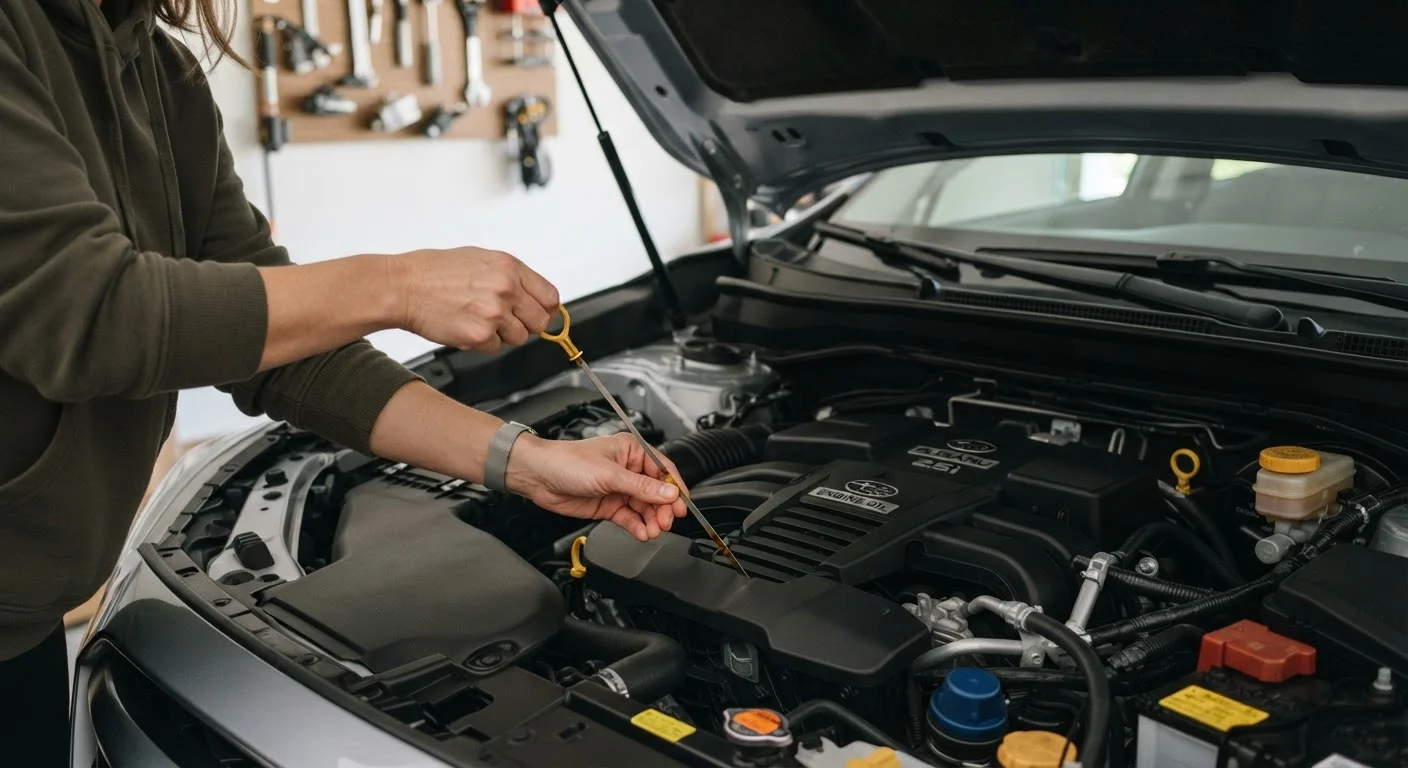
- Engine oil lubricates moving metal parts and prevents heat damage. Check the level monthly using the dipstick with the engine cold, and note both the level and the oil's color — clean oil is amber, not black and gritty.
- Coolant (antifreeze) regulates engine temperature. Check the reservoir level when the engine is completely cold; never open the radiator cap on a hot engine.
- Brake fluid is a hydraulic fluid that transfers force from your pedal to the brakes. It absorbs moisture over time, which degrades performance — most manufacturers recommend replacing it every two years.
- Power steering fluid (on vehicles without electric power steering) should be checked if you notice stiff or noisy steering.
- Windshield washer fluid is the one fluid that's safe to top up yourself without any mechanical knowledge.
Use the Right Fluids Every Time
Always use the fluid types specified in your owner's manual. Using the wrong coolant or brake fluid can cause damage that voids warranties and leads to costly repairs. When in doubt, ask the parts counter staff to confirm compatibility before purchasing.
Always use the fluid types specified in your owner's manual. Using the wrong coolant or brake fluid can cause damage that voids warranties and leads to costly repairs.
Tires, Brakes, and Filters: The Safety Basics
Beyond fluids, three areas have the most direct impact on safety and drivability.
Tires
Check tire pressure monthly using an inexpensive gauge — most passenger vehicles call for 32–35 PSI, but verify your car's specific requirement on the sticker inside the driver's door jamb, not the tire sidewall. Under-inflated tires wear faster and handle poorly; over-inflated tires reduce traction. Also inspect tread depth and look for cracks, bulges, or uneven wear.
Brakes
Squealing or grinding noises during braking, a pulsing pedal, or a car that pulls to one side when stopping are all signs that brake inspection is overdue. Brake pad thickness can typically be checked visually through the wheel spokes. Brake work should always be performed by a qualified mechanic — this is not a task for DIY experimentation.
Air Filter
A clogged engine air filter reduces fuel efficiency and performance. Most filters need replacing every 15,000–30,000 miles, though dusty driving environments shorten that interval. It's one of the simplest replacements a new owner can learn to do.
Never Ignore Brake Warning Signs
Grinding, pulsing, or a pulling sensation when braking are not symptoms to monitor — they require prompt professional inspection. Brakes are a primary safety system, and delayed action significantly increases stopping distances and accident risk.
Following Your Service Schedule
Your owner's manual contains a service schedule tailored specifically to your vehicle — this is the single most authoritative reference for maintenance timing. It outlines when to change the oil, rotate tires, replace belts, inspect the cooling system, and more.
Many newer vehicles also have an onboard maintenance reminder system that tracks driving conditions and alerts you when service is due. These systems are helpful, but they supplement — not replace — the manual's schedule.
Keeping a simple log of completed services (date, mileage, work done) gives you a clear picture of your car's history and helps any mechanic diagnose issues more efficiently. For a deeper look at how manufacturer service intervals work, the Complete Guide to Your Car's Service Schedule explains what each service covers and how to read a logbook. Once you're comfortable with the basics, a seasonal maintenance calendar can help you structure checks throughout the year.
Severe vs. Normal Driving Conditions
Many owner's manuals list two service schedules: one for 'normal' driving and one for 'severe' conditions — which include frequent short trips, stop-and-go traffic, towing, or dusty environments. If your driving pattern fits the severe category, follow the shorter intervals. Most urban commuters actually qualify as severe-condition drivers.
What You Can Do Yourself vs. When to See a Mechanic
Part of owning a car confidently is knowing which tasks are within reach and which carry real risk if done incorrectly. As a general guide:
- Typically safe for new owners to learn
- Checking and topping up fluids, checking tire pressure, replacing wiper blades, swapping an air filter, replacing a cabin air filter.
- Best left to a qualified mechanic
- Brake pad or rotor replacement, suspension work, anything involving the fuel system or electrical system, timing belt or chain replacement, and any repair where incorrect execution could cause injury or catastrophic failure.
If you're ever uncertain whether a task is within your skill level, err on the side of caution. The cost of a professional repair is almost always lower than the cost of fixing a mistake. For a practical breakdown of where the line sits, see our guide on DIY car maintenance vs. using a mechanic.
As your vehicle ages and accumulates miles, maintenance priorities shift. Keeping a high-mileage car running well covers the tailored care older vehicles need — useful reading once you've mastered the fundamentals covered here.
Frequently Asked Questions
It depends on your vehicle and the type of oil used. Many modern cars with synthetic oil can go 7,500–10,000 miles between changes, while older vehicles may need one every 3,000–5,000 miles. Always follow the interval listed in your owner's manual rather than a general rule of thumb.
The five fluids to monitor are engine oil, coolant, brake fluid, power steering fluid (if applicable), and windshield washer fluid. Engine oil and coolant are the most critical; low or dirty levels in either can cause serious engine damage.
The most widely used test is inserting a penny into a tread groove with Lincoln's head facing down — if you can see the top of his head, the tread is worn below 2/32 of an inch and the tire should be replaced. Uneven wear patterns can also indicate alignment or inflation problems worth addressing.
Skipping service intervals allows wear and contamination to accumulate unchecked, increasing the likelihood of component failure. Over time, deferred maintenance typically leads to costlier repairs and can shorten a vehicle's overall lifespan.
For most routine maintenance, any qualified independent mechanic can do the work without voiding your warranty, as long as manufacturer-specified parts and fluids are used and service is documented. Always keep receipts and records of completed work.
It depends on the light. A check engine light or low oil pressure warning should be investigated promptly — continuing to drive can cause significant damage. A low washer fluid indicator, by contrast, is not urgent. When in doubt, consult your owner's manual or a mechanic before driving further.
The content on this site is for informational purposes only and is not a substitute for professional advice. Always consult a qualified professional for guidance specific to your situation.