

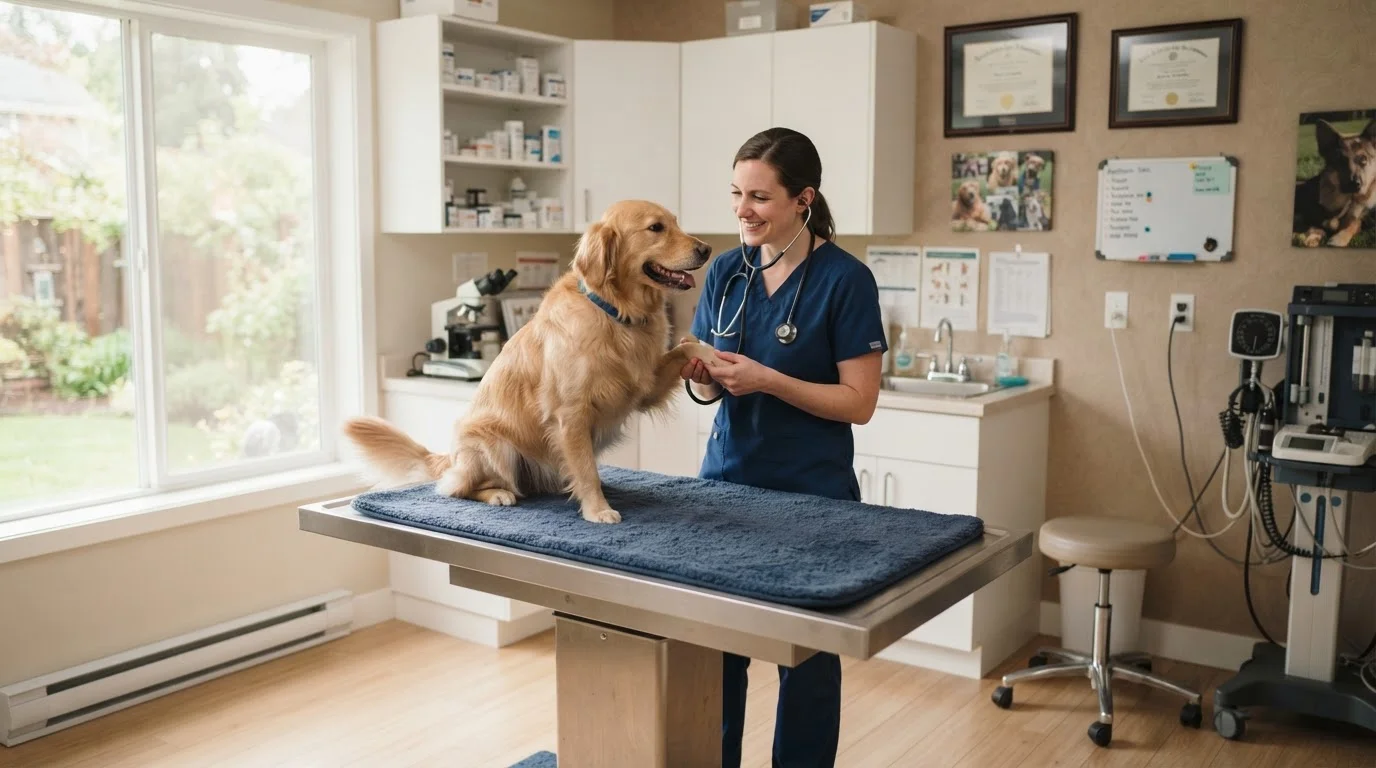
The Core Idea: Health Maintenance Before Problems Start
Preventive pet care is built around a straightforward principle: addressing health risks before they become health crises. Rather than waiting for a pet to show signs of illness, preventive care creates a structured routine of monitoring, protection, and early intervention.
This approach mirrors how preventive medicine works for people — regular check-ups, screenings, and lifestyle habits that reduce risk over time. For pets, the same logic applies, adapted to their species, life stage, and individual needs. As explored in preventive vs. reactive care, proactive health management consistently outperforms treating conditions only after symptoms appear.
1 in 3
Pets will need unexpected vet care each year
According to the American Pet Products Association, a significant proportion of pets experience an unplanned health event annually, underscoring the value of early detection.
80%
Of dogs show signs of dental disease by age 3
The American Veterinary Medical Association notes that periodontal disease is among the most prevalent conditions in adult dogs, making dental care a key preventive priority.
2x
More frequent exams recommended for senior pets
Many veterinary organizations recommend twice-yearly exams for pets considered senior — typically dogs and cats over age 7 — due to increased risk of age-related conditions.
What Preventive Care Actually Includes
Preventive veterinary care is broader than most owners realize. A comprehensive plan typically covers several interconnected areas:
- Wellness examinations: Routine physical exams allow veterinarians to assess your pet's overall condition — body weight, organ function, skin and coat health, eyes, ears, and teeth. Early signs of disease are often detectable before a pet owner would notice anything at home.
- Vaccinations: Core vaccines protect pets against serious, preventable diseases. Which vaccines are recommended depends on species, lifestyle, and geographic risk factors.
- Parasite prevention: Fleas, ticks, heartworms, and intestinal parasites pose real health risks. Year-round or seasonal prevention is a foundational element of any preventive plan.
- Dental care: Periodontal disease is one of the most common conditions seen in adult dogs and cats. Professional dental cleanings and home dental care reduce the risk of pain, tooth loss, and systemic complications.
- Nutritional guidance: Maintaining a healthy body weight reduces the risk of diabetes, joint disease, and heart problems. Vets can recommend feeding strategies appropriate for your pet's age and health status.
For a detailed breakdown of what happens during a routine visit, preventive veterinary care: what routine visits actually cover offers a thorough overview.
Keep a Simple Pet Health Log
Maintaining a basic record of your pet's weight, vaccination dates, parasite prevention schedule, and any behavioral changes makes veterinary appointments more productive. It also helps you spot gradual shifts — like slow weight gain or changes in water consumption — that might otherwise go unnoticed. A simple notebook or a notes app on your phone works well.
Why Life Stage Changes the Picture
Preventive needs shift considerably as pets age. Puppies and kittens require a series of vaccinations and parasite treatments in their first months of life, along with early behavioral guidance. Adult pets typically settle into annual wellness routines. Senior pets need more frequent monitoring because age-related conditions — arthritis, kidney disease, thyroid dysfunction, and dental deterioration — become more common and benefit from earlier detection.
Mixed-breed and purebred animals may also have different risk profiles. Some breeds are genetically predisposed to certain conditions, making targeted screening more valuable. Your veterinarian is the right resource for building a life-stage-appropriate plan.
The Role of the Owner Between Vet Visits
Professional care forms the backbone of a preventive strategy, but what happens at home matters too. Owners who monitor their pet's weight, observe changes in appetite or drinking habits, check for lumps or skin changes, and maintain consistent parasite prevention between vet visits make a meaningful contribution to their animal's long-term health.
Dental hygiene at home — even partial tooth brushing several times a week — measurably slows the progression of periodontal disease. Regular grooming, appropriate exercise, and mental stimulation all support overall wellness.
These habits don't replace veterinary oversight, but they significantly strengthen it. For a broader look at how lifestyle-based prevention supports animal wellbeing, the pet care basics hub covers essential everyday care across common pet types.
This article is for general informational purposes only and does not constitute veterinary medical advice. Always consult a licensed veterinarian regarding your pet's specific health needs.
Frequently Asked Questions
Most healthy adult dogs and cats benefit from annual wellness exams. Senior pets (generally those over seven years of age) or animals with known health conditions may need visits every six months. Your veterinarian can recommend the right schedule based on your pet's age, species, and health history.
A typical wellness exam includes a physical assessment of your pet's weight, teeth, eyes, ears, coat, and organ function. The vet will also review vaccination status, recommend parasite prevention, and discuss nutrition or behavioral concerns. Blood and urine screenings are often added for senior pets.
The core principles are similar, but the specifics differ. Cats, for instance, may need different vaccine schedules and are particularly prone to dental disease and kidney issues. Your vet will tailor recommendations based on your pet's species, lifestyle, and risk factors.
Coverage varies significantly by policy. Many standard pet insurance plans focus on accidents and illness rather than routine wellness. Some insurers offer add-on wellness plans that help offset preventive care costs. See <a href="/pets-animals/pet-care-basics/what-pet-insurance-actually-covers-and-what-it-typically-doesnt">what pet insurance typically covers</a> for more detail.
Yes — home monitoring is an important complement to professional care. Checking your pet's weight, watching for changes in appetite or behavior, brushing their teeth, and keeping up with parasite prevention between vet visits all contribute to overall wellness. However, home care does not replace professional veterinary exams.
The content on this site is for informational purposes only and is not a substitute for professional advice. Always consult a qualified professional for guidance specific to your situation.