

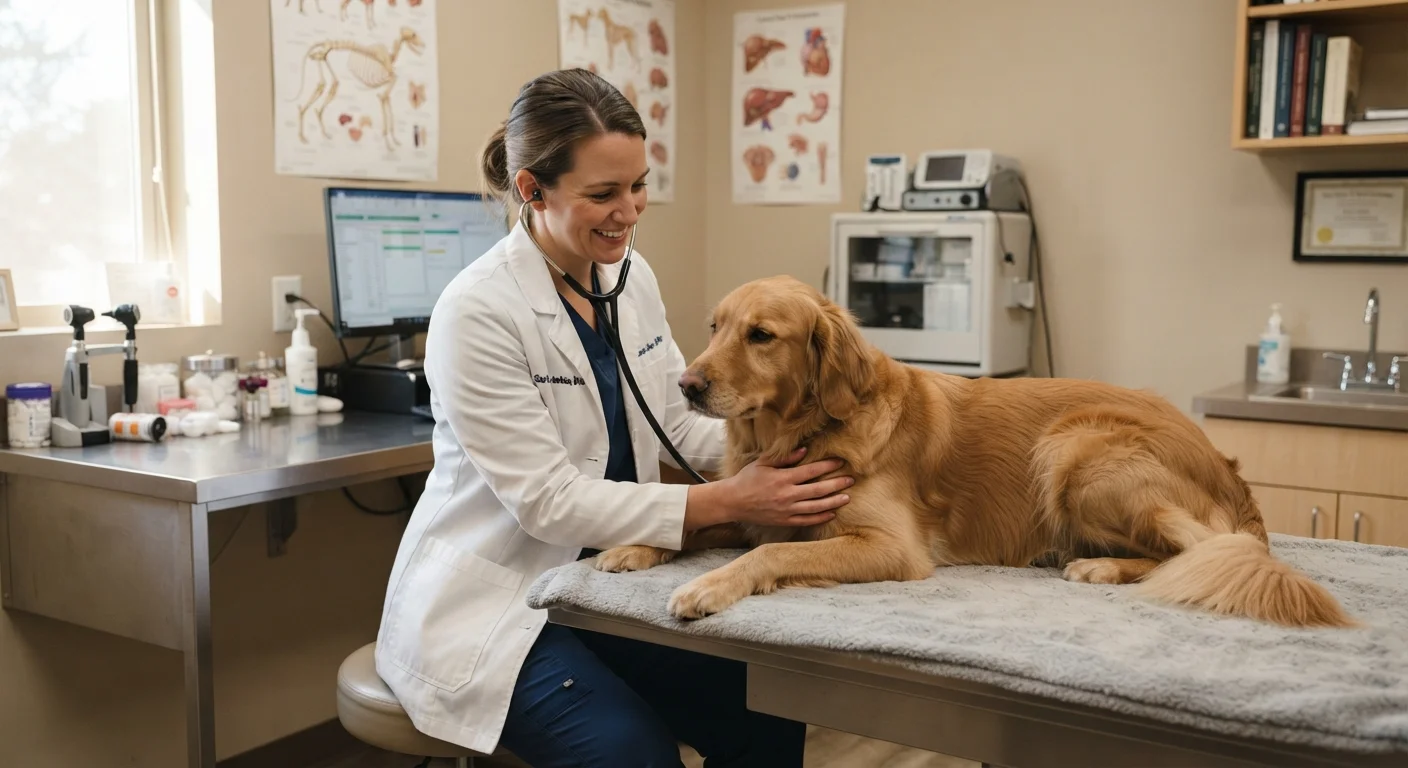
More Than a Shot: What Actually Happens at a Wellness Exam
Many pet owners assume routine vet visits are primarily about annual vaccinations. In reality, the wellness exam is a systematic head-to-tail health assessment that vaccines are only one part of. Understanding the full scope helps owners recognize the value of these visits — and arrive better prepared.
The physical examination is the centerpiece. The veterinarian evaluates your pet's eyes, ears, nose, mouth, skin, coat, lymph nodes, heart, lungs, abdomen, joints, and musculoskeletal structure. Each of these systems provides data that builds a picture of your pet's current health status and flags anything worth monitoring. A subtle heart murmur, early dental tartar buildup, or a slightly enlarged lymph node can all be identified during a routine hands-on exam before the pet shows obvious symptoms.
Weight and body condition scoring are also assessed every visit. Obesity in pets is linked to joint disease, diabetes, and reduced lifespan — and gradual weight gain is easy to miss at home. Conversely, unexplained weight loss can be an early indicator of thyroid disease, diabetes, or other systemic conditions.
Prepare Before You Go
Write down any behavioral changes, appetite shifts, or physical observations you've noticed since your pet's last visit. Even minor details — like drinking more water or favoring one leg — can be diagnostically useful. A prepared owner gives the vet a clearer picture in less time.
For a broader look at how preventive care supports long-term pet health, visit what preventive care actually means for pets.
Parasite Prevention, Dental Health, and Diagnostic Screening
Parasite control is a year-round concern addressed at routine visits. Vets assess flea and tick prevention status, recommend or update heartworm testing (typically annual for dogs), and may request a fecal sample to screen for intestinal parasites. These aren't administrative formalities — untreated parasites can cause serious illness and, in some cases, are transmissible to humans.
Dental health is frequently underestimated. Periodontal disease is one of the most common conditions diagnosed in dogs and cats, often affecting pets as young as three years old. During a wellness exam, the vet evaluates gum health, tartar buildup, and tooth integrity. They may recommend a professional dental cleaning under anesthesia if disease has progressed. Owners can track recurring dental needs alongside vaccination schedules using a resource like the year-round pet health planner.
Depending on your pet's age and health history, the vet may recommend diagnostic bloodwork or urinalysis. These tests can detect kidney disease, liver dysfunction, thyroid imbalances, and early diabetes — conditions that benefit significantly from early intervention. Senior pets are most commonly recommended for routine blood panels, but baseline labs in younger animals can be valuable for future comparison.
80%
Dogs with periodontal disease by age three
According to the American Veterinary Dental College, most dogs show signs of periodontal disease by age three — making dental assessment a critical part of routine exams.
1 in 3
Pets affected by a serious illness annually
Veterinary industry estimates suggest roughly one in three pets experiences a significant health issue each year, underscoring the value of early detection through regular exams.
2x
Recommended visit frequency for senior pets
Most veterinary associations recommend twice-yearly wellness exams for pets over age seven, reflecting the faster pace at which age-related conditions can develop and progress.
How Visit Frequency and Focus Shift With Age
Preventive care is not one-size-fits-all. A puppy's first year involves multiple visits for vaccine series, deworming, and developmental monitoring. Spay or neuter timing is typically discussed early. Owners navigating a new pet's first twelve months can find a structured overview in your pet's first year health milestones.
Healthy adult dogs and cats generally follow an annual wellness schedule, though breed-specific risks — such as brachycephalic airway concerns in bulldogs or hip dysplasia in large breeds — may prompt more targeted monitoring. Senior pets, typically classified as those over seven years for most dogs and cats, are often placed on a biannual schedule. As organs age, subtle changes can progress faster, and early detection becomes proportionally more important.
The conversation between owner and vet is itself a core component of every visit. Behavioral changes, changes in appetite or water intake, mobility shifts, or coat changes all provide diagnostic clues. Owners who track these observations between visits give their vet meaningfully better information to work with.
This article is for general informational purposes only and does not constitute veterinary advice. Always consult a licensed veterinarian for guidance specific to your pet's health.
Frequently Asked Questions
Most healthy adult dogs and cats benefit from an annual wellness exam. Puppies and kittens need visits every few weeks during their first few months for vaccine series completion. Senior pets — generally dogs and cats over age seven — are often recommended to visit every six months, as age-related conditions can develop quickly.
A typical wellness visit includes a head-to-tail physical examination, weight and body condition assessment, dental evaluation, parasite screening or prevention, vaccination updates, and a discussion of diet and behavior. Blood or urine tests may be recommended depending on your pet's age and history.
Vaccinations are one component, but not the primary focus. The physical examination itself is central to the visit — it allows vets to detect early signs of illness, organ changes, or structural problems that owners may not notice at home.
Bring any prior vaccination records, a list of current medications or supplements, a fresh fecal sample if requested, and notes on any behavioral or dietary changes you've observed. See our <a href="/pets-animals/pet-health-wellness/annual-vet-visit-preparation-checklist-for-pet-owners">annual vet visit preparation checklist</a> for a full rundown.
Standard pet insurance policies typically cover accidents and illnesses rather than routine preventive care. Some insurers offer optional wellness add-ons that help offset the cost of annual exams and vaccinations. Policy terms vary widely, so reviewing coverage details carefully is important.
Puppies and kittens should begin vet visits as early as six to eight weeks of age for initial health assessment and the start of their vaccine series. Early visits also allow the vet to identify any congenital issues and establish a baseline health record.
The content on this site is for informational purposes only and is not a substitute for professional advice. Always consult a qualified professional for guidance specific to your situation.