

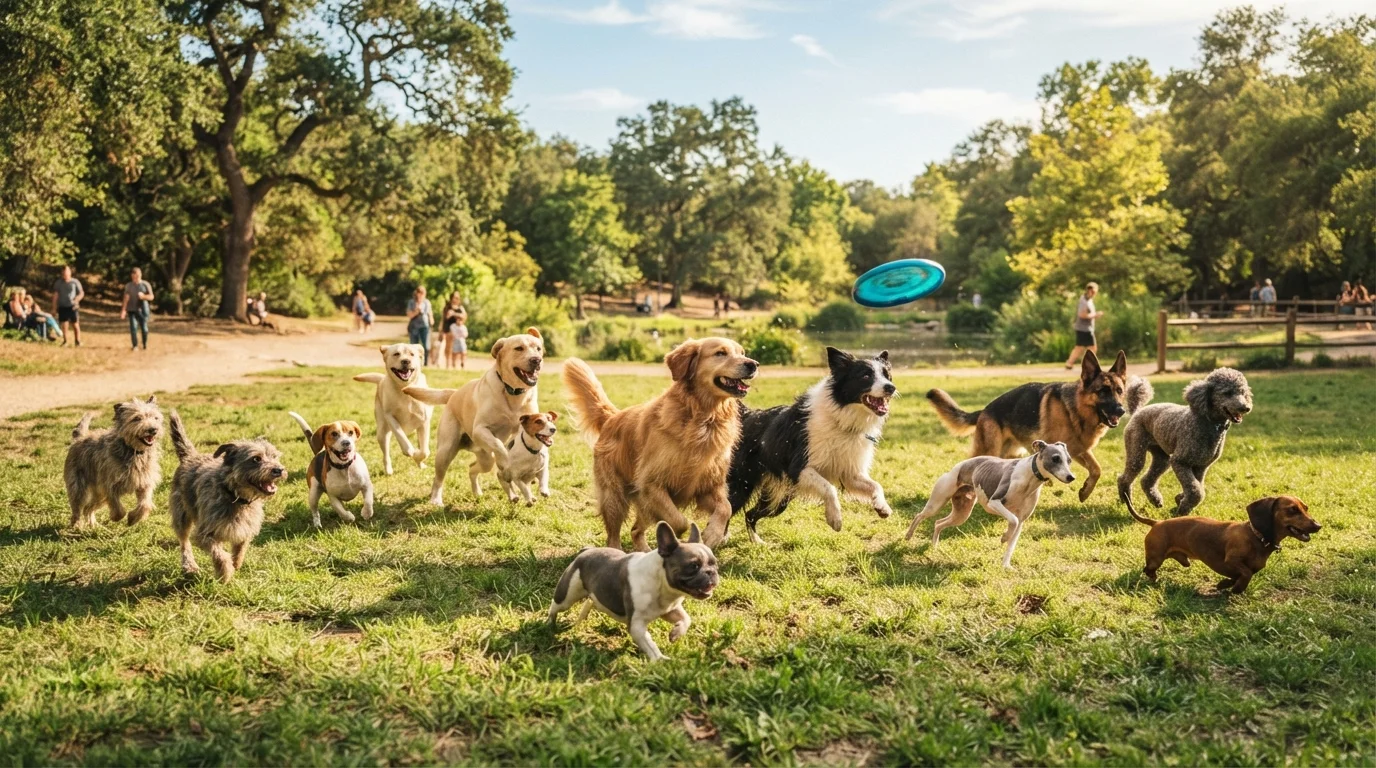
Why Exercise Isn't One-Size-Fits-All
A Border Collie and a Basset Hound are both dogs, but prescribing them the same daily exercise routine would be a mistake. Breed heritage, body structure, age, and underlying health all determine how much physical activity a dog genuinely needs — and how much is too much. Understanding these variables helps owners build routines that support long-term wellbeing rather than inadvertently cause strain.
As part of consistent daily care habits, appropriate exercise is one of the highest-impact things owners can provide. The guidance below offers a general framework — always discuss your individual dog's needs with a veterinarian.
Breed Groups and General Activity Levels
Dog breeds were developed for specific working roles, and those origins still shape energy levels today.
- High-drive working and herding breeds (Border Collies, Australian Shepherds, Belgian Malinois): bred for sustained, purposeful activity. These dogs typically need 90 minutes or more of vigorous daily exercise plus mental stimulation to prevent frustration behaviors.
- Sporting breeds (Labrador Retrievers, Spaniels, Pointers): energetic and athletic, generally thriving on 60–90 minutes of activity that includes fetch, swimming, or trail walking.
- Terrier breeds (Jack Russell Terrier, Airedale): high energy relative to size, with a strong instinct to dig and chase. Daily vigorous play and leash walks are important.
- Scent hounds (Beagles, Basset Hounds): moderate energy with exceptional stamina for nose-led exploration; 45–60 minutes of structured activity suits most individuals.
- Toy breeds (Chihuahuas, Shih Tzus, Maltese): lower absolute exercise requirements, but still benefit from daily walks and short play sessions — usually 20–30 minutes.
- Brachycephalic breeds (Bulldogs, Pugs, French Bulldogs): flat-faced anatomy limits airflow and heat regulation. Exercise must be kept moderate, brief, and conducted in cool conditions.
Brachycephalic
Refers to dog breeds with shortened skull anatomy and flattened facial features (e.g., Bulldogs, Pugs). This structure can restrict airflow, limiting heat tolerance and exercise capacity.
Growth plates
Areas of developing cartilage near the ends of long bones in young dogs. They are vulnerable to injury and typically close between 12 and 18 months depending on breed and size.
Orthopedic condition
Any disorder affecting bones, joints, ligaments, or muscles. Common examples in dogs include hip dysplasia, elbow dysplasia, and arthritis, all of which can require modified exercise plans.
Mental stimulation
Activities that engage a dog's cognitive and problem-solving abilities — such as scent work, puzzle feeders, or training sessions. For high-drive breeds, mental engagement is as important as physical exercise.
Exercise Across Life Stages
Age reshapes a dog's exercise needs at least as dramatically as breed does.
Puppies (Under 12–18 Months)
Growing dogs have developing bones, joints, and growth plates. A commonly cited guideline from veterinary practice is approximately five minutes of structured exercise per month of age, twice daily — so a four-month-old puppy might do 20 minutes twice a day. Off-leash free play on soft surfaces is generally considered safer than forced repetitive exercise like jogging on hard pavement, which can stress developing joints. Overexercising puppies of large and giant breeds carries particular risk for orthopedic issues later in life.
Adult Dogs (1–7 Years, Breed-Dependent)
This is typically when exercise capacity peaks. The ranges described above by breed group apply most directly here. Consistency matters: irregular bursts of intense activity following days of inactivity (sometimes called "weekend warrior" patterns) can increase injury risk.
Senior Dogs (7+ Years, Earlier for Large Breeds)
Aging reduces stamina, increases joint sensitivity, and may introduce conditions such as arthritis or heart changes. That said, regular gentle movement remains important for weight management, circulation, and cognitive health. Shorter, more frequent walks often work better than long single outings. How health needs shift as dogs age is worth understanding as part of any senior care plan, and adapting routines for ageing pets offers practical guidance for owners navigating this transition.
~56%
US dogs estimated overweight or obese
According to the Association for Pet Obesity Prevention's national surveys, more than half of American dogs are assessed as overweight or obese by veterinarians.
5 min/month
Puppy structured exercise guideline
A commonly referenced veterinary rule of thumb recommends roughly five minutes of structured exercise per month of age for puppies, to protect developing joints.
Health Conditions That Modify Exercise Needs
Even within a breed and age group, individual health status matters. Orthopedic conditions like hip or elbow dysplasia, heart disease, obesity, and respiratory issues all require adjusted activity plans. Dogs carrying excess weight place more mechanical stress on joints during exercise; gradual, low-impact activity is typically recommended while weight is managed. See approaches for keeping overweight pets healthy for context on how exercise and nutrition work together.
No general guide can replace individualized veterinary advice. If your dog shows signs of fatigue, lameness, labored breathing, or reluctance to move during or after exercise, consult a veterinarian before continuing or increasing activity levels.
This article is for general informational purposes only and does not constitute veterinary medical advice. Always consult a licensed veterinarian for guidance specific to your dog's health, breed, and history.
The content on this site is for informational purposes only and is not a substitute for professional advice. Always consult a qualified professional for guidance specific to your situation.