

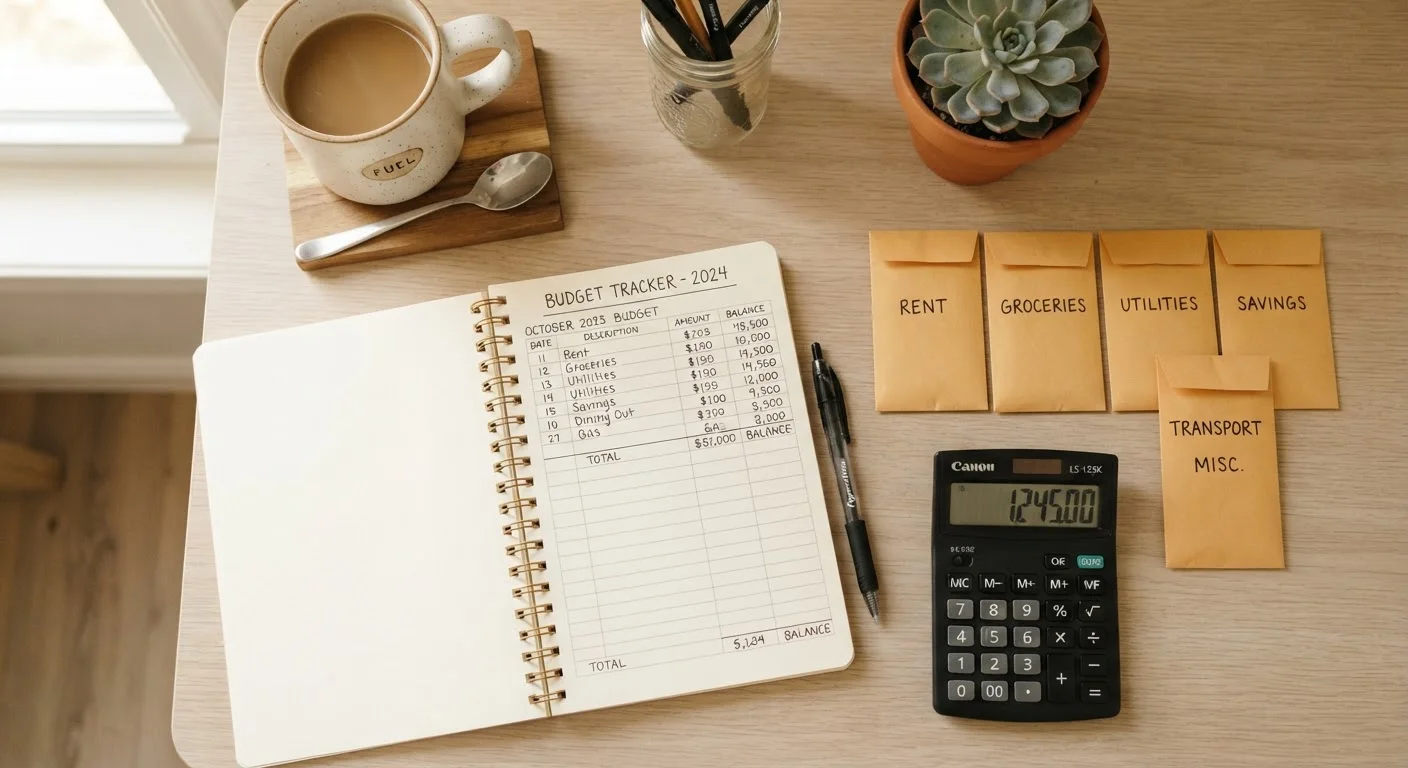
Why Irregular Expenses Keep Breaking Budgets
Most budgets are built around predictable monthly costs: rent, utilities, groceries. But many of life's real financial hits don't arrive on a neat monthly schedule. Car registration fees land once a year. Holiday gift spending clusters in November and December. The dentist, the vet, the annual streaming bundle renewal — these are all expenses you know are coming, yet they still feel like surprises when the bill arrives.
This is the core problem sinking funds solve. When a $900 car repair hits and there's no plan for it, many people turn to a credit card or drain their emergency fund — two outcomes that either add debt or leave them exposed to real emergencies. As outlined in common first-budget mistakes, ignoring irregular costs is one of the most reliable ways to watch a budget collapse within months of building it.
~$1,400
Average annual vehicle maintenance cost per car
According to AAA's annual Your Driving Costs study, vehicle ownership costs — including maintenance and tires — average roughly $1,400 per year, a figure most monthly budgets don't explicitly plan for.
$932
Average holiday spending per US consumer
The National Retail Federation has consistently reported average holiday spending approaching or exceeding $900 per person, making it one of the largest predictable annual financial events for US households.
40%
Adults who couldn't cover a $400 emergency expense
Federal Reserve survey data has found that a significant share of US adults report difficulty covering an unexpected $400 expense without borrowing or selling something — a gap that sinking funds are designed to help address for anticipated costs.
How Sinking Funds Actually Work
The mechanics are straightforward. You identify an upcoming irregular expense, estimate its total cost, and determine how many months you have until you need the money. Divide the total by the months, and that's your monthly contribution. You set that amount aside consistently — either in a dedicated savings account or a clearly labeled portion of an existing one — and leave it alone until the expense arrives.
For example: if you typically spend $1,200 on holiday gifts and travel in December, starting a sinking fund in January means saving $100 per month. By December, the money is waiting. No scramble, no debt, no stress.
Name Your Funds to Make Them Real
Labeling a sinking fund with a specific purpose — 'Car Maintenance 2025' or 'Holiday Gifts' — makes it psychologically easier to leave it untouched. Research in behavioral finance suggests that earmarked money feels distinct from general savings, reducing the temptation to spend it on other things. A clear label is a simple but effective guardrail.
Sinking funds are distinct from your emergency fund, which exists for genuinely unforeseeable events. For a deeper look at how the two tools differ, see sinking funds vs. emergency funds.
Identifying Which Expenses Need a Sinking Fund
Start by reviewing 12 months of bank and credit card statements. Look for any expenses that don't appear monthly but do repeat — annually, quarterly, or seasonally. Common candidates include:
- Vehicle costs: registration, inspection, tires, routine maintenance
- Home expenses: HVAC servicing, pest control, appliance replacement, exterior maintenance
- Seasonal spending: holiday gifts, back-to-school supplies, summer travel
- Annual subscriptions and premiums: insurance renewals, professional memberships, software licenses
- Medical and dental: out-of-pocket costs that predictably arise each year
Once you have a list, estimate the dollar amount for each and assign a monthly contribution. Then check that the sum of all contributions fits within your broader budget. This process fits naturally alongside building a budget designed for real life.
Managing Multiple Sinking Funds Without Overwhelm
Running several sinking funds at once is manageable when you treat each as its own budget line rather than a one-off savings goal. A basic spreadsheet listing fund name, target amount, monthly contribution, and current balance is often all the infrastructure you need. Some budgeting apps include built-in sinking fund features that automate the tracking.
Whether you use separate accounts or a single account with manual tracking depends on your preference for visual separation versus simplicity. Either approach works as long as the money is consistently set aside and you don't dip into it for other purposes.
Sinking Funds Are Not an Investment Vehicle
Sinking fund money should stay liquid and safe — typically in a basic savings or money market account — because you plan to spend it within a defined timeframe. Putting it into investments introduces risk and potential timing problems. The goal is preservation and access, not growth.
People with variable income — freelancers, contractors, or anyone with fluctuating pay — can still use sinking funds effectively. In lower-income months, contribute a smaller amount; in higher-income months, top up the shortfall. This approach pairs well with the strategies covered in budgeting from a variable income. For broader guidance on how sinking funds fit into your overall savings strategy, structuring short- and long-term savings goals is a useful complement.
This article is for general informational and educational purposes only and does not constitute personalised financial advice. Consult a qualified financial professional for guidance tailored to your specific situation.
Frequently Asked Questions
A sinking fund targets expenses you can anticipate — car registration, holiday gifts, annual premiums — so you save toward them deliberately. An emergency fund covers true financial surprises, like a sudden job loss or an unexpected medical bill. They serve different purposes and should be kept separate.
Estimate the total cost of the upcoming expense, then divide it by the number of months until you need the money. For example, $600 in car repairs expected in 12 months means setting aside $50 per month. Adjust the amount if the timeline or estimate changes.
Not necessarily. Some people use separate high-yield savings accounts for clarity, while others track multiple sinking funds within a single account using a spreadsheet or budgeting app. What matters most is that the money is earmarked and not spent on other things.
Yes, and most households benefit from running several simultaneously — for example, one for vehicle maintenance, one for holidays, and one for home repairs. The key is to add up all the monthly contributions and make sure they fit within your overall budget.
You can roll the remaining balance forward to next year's fund for the same category, redirect it to another sinking fund with a shortfall, or move it to a general savings account. There's no obligation to spend the full amount.
Ideally, as soon as you identify a predictable future expense. The longer your runway, the smaller each monthly contribution needs to be. Starting early also means you're less likely to need credit to cover the expense when it arrives.
The content on this site is for informational purposes only and is not a substitute for professional advice. Always consult a qualified professional for guidance specific to your situation.