

Our Verdict
Mindfulness meditation is a well-researched, low-cost practice with meaningful benefits for stress reduction and emotional regulation. However, it requires realistic expectations — it works gradually, isn't universally comfortable, and isn't a clinical replacement for therapy or medication. Approached as a sustainable habit rather than a quick fix, most adults can find genuine value in it.
Adults seeking an evidence-informed, accessible way to manage everyday stress and improve emotional awareness, who are willing to practice consistently over weeks rather than days.
What Mindfulness Meditation Actually Is
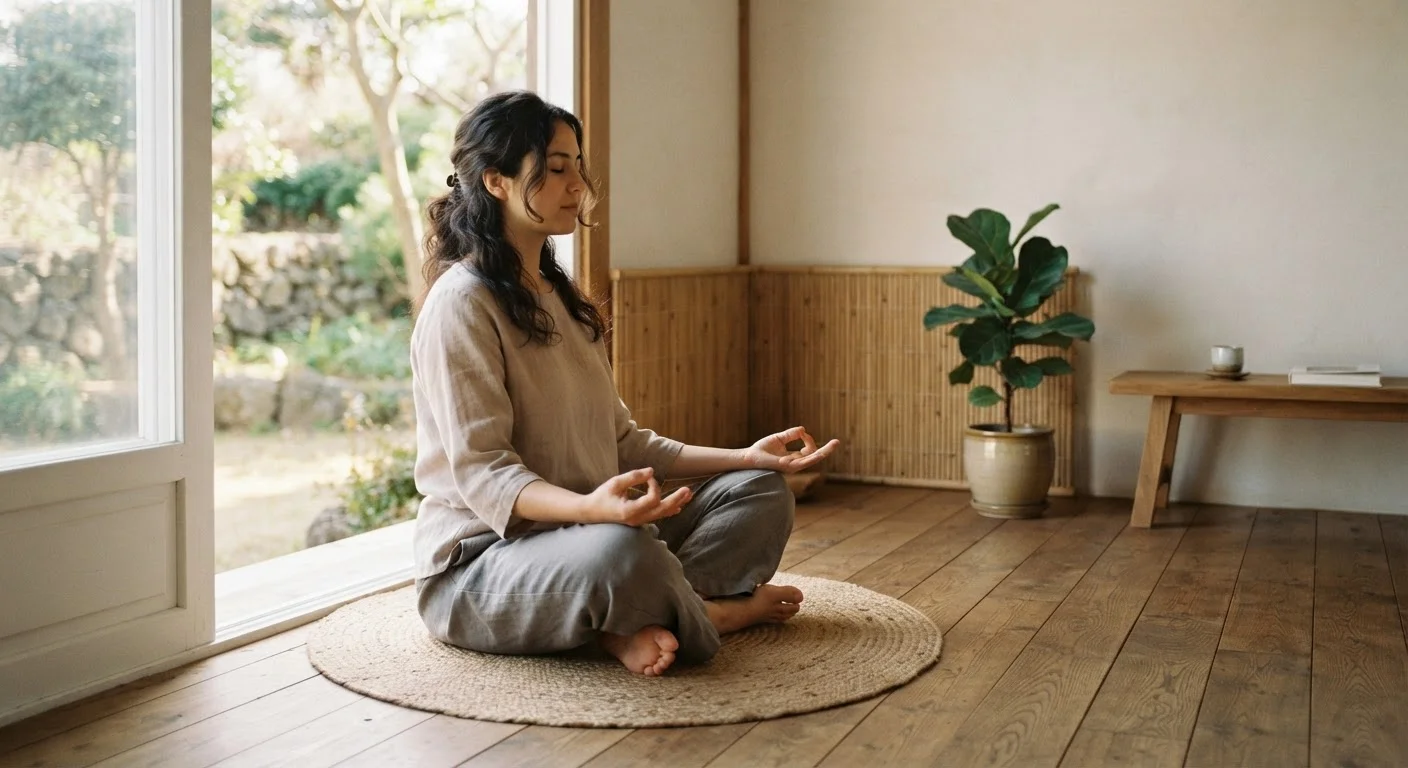
Mindfulness meditation is the deliberate practice of paying attention to the present moment — thoughts, sensations, and emotions — without judgment. Rooted in Buddhist contemplative traditions, it entered mainstream Western medicine largely through Jon Kabat-Zinn's Mindfulness-Based Stress Reduction (MBSR) program, developed in the 1970s. Today it appears in clinical, workplace, and educational settings.
The core technique is straightforward: focus attention on an anchor — often the breath — and gently return it there whenever the mind wanders. That returning, done without self-criticism, is the actual practice. Sessions can last anywhere from five minutes to an hour. If you're exploring the broader landscape of mental wellness tools, our comprehensive mental wellness starting point puts mindfulness in useful context alongside other everyday strategies.
Mindfulness Is Not One Single Practice
The term "mindfulness meditation" covers a wide range of techniques — focused attention, open monitoring, body scans, walking meditation, and more. Research findings specific to one format don't automatically transfer to all others. When reading study claims, it's worth noting which specific type of practice was studied and for how long, as results can differ meaningfully across formats.
The Evidence-Backed Benefits
A substantial body of peer-reviewed research supports mindfulness as a practical tool for mental wellness — not as a cure-all, but as a meaningful intervention for specific outcomes.
Reduces perceived stress in daily life
Multiple randomized controlled trials, including studies supporting MBSR programs, show statistically significant reductions in self-reported stress after eight weeks of consistent practice.
Improves attention and focus
Research published in cognitive neuroscience journals suggests regular practice can improve sustained attention and reduce mind-wandering, effects observed in both self-report and objective task measures.
Accessible with no equipment or cost
Unlike many wellness interventions, mindfulness requires no special equipment, gym membership, or financial outlay — making it genuinely available to a wide range of people.
Supports emotional regulation over time
Practitioners often report greater ability to notice and pause before reacting emotionally, a skill associated with improvements in interpersonal relationships and workplace functioning.
Used in clinically validated therapy frameworks
MBCT is recommended by organizations including the UK's National Institute for Health and Care Excellence (NICE) for preventing depressive relapse in people with three or more past episodes.
~8 weeks
Typical duration before measurable stress relief
Standard MBSR programs run eight weeks; most peer-reviewed benefit studies use this timeframe as their minimum intervention period.
43%
Reduction in depressive relapse risk with MBCT
A meta-analysis published in JAMA Internal Medicine found MBCT reduced relapse risk by approximately 43% compared to usual care for recurrent depression.
For people managing chronic stress, anxiety symptoms, or difficulty concentrating, regular practice shows measurable effects in controlled studies. It is also used as a component of evidence-based therapies, including Mindfulness-Based Cognitive Therapy (MBCT), which has demonstrated effectiveness in reducing depression relapse rates.
Mindfulness pairs well with other relaxation approaches. If you're comparing options, deep breathing vs. progressive muscle relaxation covers two well-studied alternatives that work differently on the nervous system.
The Real Limitations and Drawbacks
Despite its popularity, mindfulness is not right for every person or every situation — and its limitations deserve honest attention.
Results take weeks, not days
Most research on measurable benefits uses eight-week programs. Expecting rapid results is one of the most common reasons people abandon the practice before any effect develops.
Can worsen symptoms for some individuals
People with trauma histories, PTSD, or certain dissociative conditions may find inward-focused attention destabilizing. Clinical researchers have documented adverse effects including anxiety spikes and depersonalization.
Not a replacement for clinical treatment
Mindfulness is a supportive practice, not a standalone intervention for clinical depression, anxiety disorders, or other diagnosable conditions that warrant professional evaluation and care.
Consistency is genuinely difficult to maintain
Without external accountability or structure, many beginners struggle to build a regular habit; studies on app-based programs show high dropout rates within the first month.
Quality of instruction varies widely
The market for mindfulness content — apps, courses, books — is largely unregulated, meaning the quality and clinical grounding of guidance varies considerably between sources.
Perhaps the most overlooked concern is what researchers sometimes call "adverse effects" of meditation. Some individuals — particularly those with trauma histories, dissociative tendencies, or certain anxiety disorders — report heightened distress, depersonalization, or intrusive thoughts when practicing. This is not rare fringe experience; a growing body of clinical literature documents it.
Mindfulness is also sometimes framed as a self-care strategy that can replace or delay professional help. That framing can be genuinely harmful. If you notice well-meaning wellness habits masking deeper needs, why good self-care intentions sometimes backfire is worth reading alongside this.
How to Start Realistically
If you decide to try mindfulness meditation, starting with modest, achievable goals reduces the risk of early dropout. Five to ten minutes daily is a reasonable beginning — consistency tends to matter more than duration, at least initially.
Free and low-cost options are widely available: apps with guided sessions, library resources, community MBSR courses, and YouTube instruction. There is no single correct technique; body-scan meditations, breath-focused practice, and open-awareness approaches each suit different temperaments. Experimenting briefly with each helps identify what feels sustainable.
For those who find sitting still feels unproductive, journaling for mental clarity offers a more active form of self-reflection that some people find equally grounding.
This article is for general informational and educational purposes only and is not a substitute for professional medical or mental health advice. If you are experiencing significant psychological distress, please consult a qualified healthcare provider.
The content on this site is for informational purposes only and is not a substitute for professional advice. Always consult a qualified professional for guidance specific to your situation.