

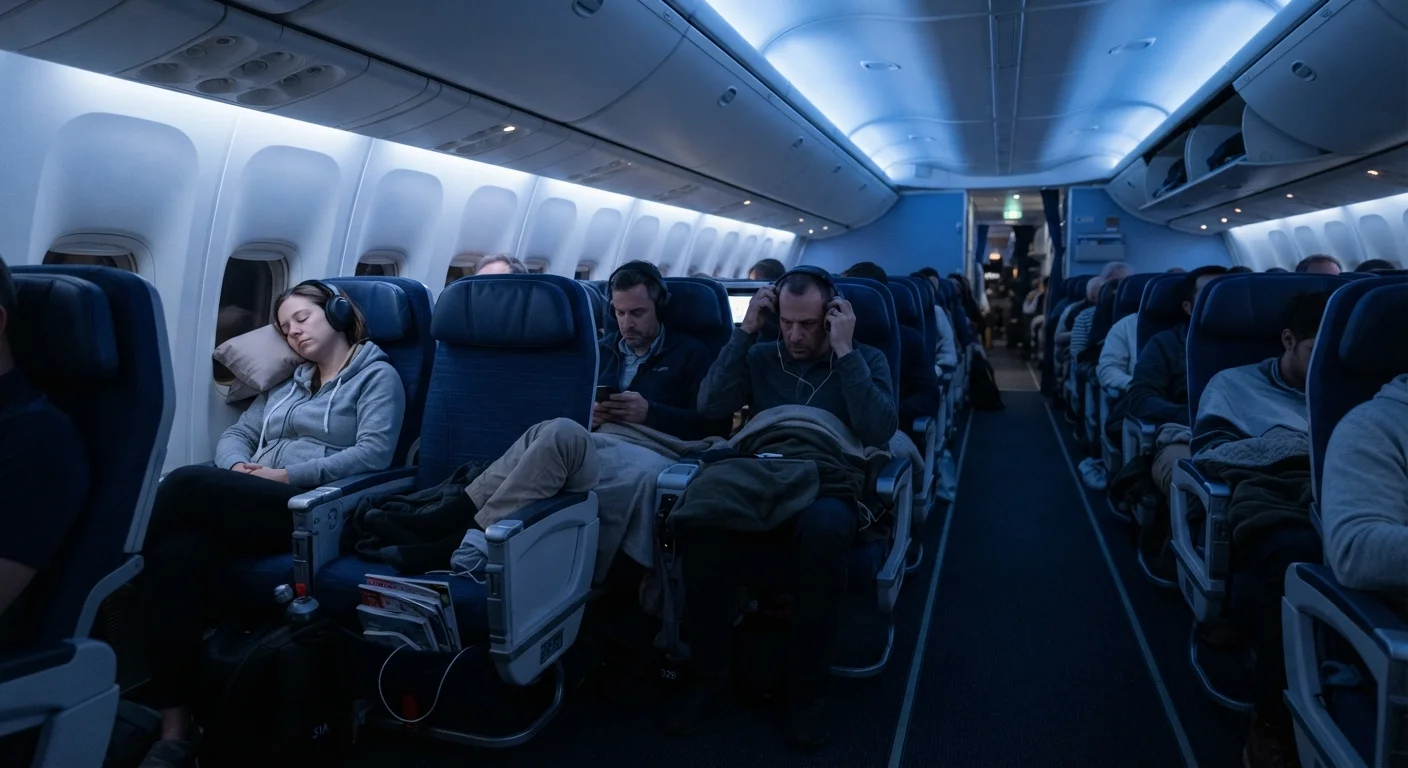
Why DVT and Flying Get Conflated — And Why It Matters
Deep vein thrombosis (DVT) — the formation of a blood clot in a deep vein, typically in the leg — became firmly linked to air travel after a wave of media coverage in the early 2000s. The term "economy class syndrome" entered the popular lexicon, and ever since, many travelers carry a vague fear that sitting on a plane is quietly dangerous. That anxiety is understandable, but it isn't always well-calibrated to the actual evidence.
The connection between prolonged sitting and clot risk is medically recognized, but the picture is more nuanced than headlines suggest. Understanding who is genuinely at elevated risk, what precautions are reasonable, and which fears are overblown is useful for anyone planning a long journey. As with many travel health topics, the goal is informed awareness — not panic, and not dismissal. For broader context on how misinformation shapes travel decisions, see travel safety myths that could actually put you at greater risk.
Myth
DVT is a serious risk for everyone who takes a long flight.
Fact
For healthy individuals without additional risk factors, the absolute risk of flight-related DVT is low, though not zero.
Research, including studies cited by the World Health Organization's WRIGHT project, suggests that the risk of a symptomatic DVT roughly doubles on flights lasting four or more hours — but the baseline risk is so low for healthy travelers that even doubling it produces a small absolute number. The elevated relative risk is real; the framing that flying is broadly dangerous for everyone is not supported by the evidence. Individual risk profiles vary enormously.
Myth
Only economy class passengers are at risk — business class travelers are fine.
Fact
Seat class is not the primary driver of risk; prolonged immobility and individual health factors matter far more.
The phrase "economy class syndrome" is misleading and has been largely abandoned in medical literature. While economy seats typically offer less legroom, the core risk mechanism is extended sitting without movement — something that can affect any passenger who remains stationary for hours regardless of cabin. Business class travelers who sit still for a ten-hour flight are not automatically protected.
Myth
Drinking alcohol in flight keeps your blood thin and reduces clot risk.
Fact
Alcohol contributes to dehydration, which is a risk factor — not a protective measure — for DVT.
Alcohol has a diuretic effect, meaning it promotes fluid loss and can worsen the mild dehydration that cabin air already encourages. Dehydration causes blood to thicken slightly, which is the opposite of what you want. There is no credible evidence that in-flight alcohol consumption reduces DVT risk. Staying well-hydrated with water is the generally recommended approach.
Myth
If you don't feel symptoms during the flight, you're in the clear.
Fact
DVT symptoms can appear hours or even days after landing — delayed onset is well documented.
Clots can form during a flight but not become symptomatic until the traveler is home or has moved on to another destination. Warning signs to watch for after long-haul travel include persistent leg swelling, warmth, redness, or unexplained pain in the calf or thigh, as well as breathlessness, chest pain, or a rapid heartbeat — symptoms that could indicate a pulmonary embolism, a potentially life-threatening complication. Anyone experiencing these symptoms after flying should seek emergency medical care immediately rather than waiting to see if they resolve.
Myth
Compression stockings are only for elderly or unwell travelers.
Fact
Graduated compression stockings are recommended by some health bodies for a broader range of travelers on long flights, subject to individual circumstances.
Several aviation and vascular health organizations suggest that properly fitted graduated compression stockings (typically 15–30 mmHg) may help support circulation during long flights, particularly for those with moderate risk factors. They are not exclusively a tool for older or ill passengers. That said, fit matters — poorly fitted stockings can actually impede circulation — and travelers should consult a healthcare provider about whether they are appropriate and how to size them correctly.
Who Carries the Most Risk — And What to Do About It
For the majority of healthy travelers on a single long-haul flight, the absolute risk of developing a clinically significant DVT remains low. However, certain factors compound that risk in ways that make a pre-trip conversation with a doctor genuinely worthwhile — not just a formality.
2×
Approximate relative DVT risk increase on long flights
WHO WRIGHT project research suggested roughly a doubling of venous thromboembolism risk for flights of four or more hours, compared to non-travel periods.
8+ hrs
Flight duration considered higher-risk threshold
Medical guidance generally identifies flights exceeding eight hours as the range where immobility-related clot risk becomes more clinically relevant.
~1 in 4,600
Estimated symptomatic DVT rate per long-haul flight
A frequently cited estimate in travel medicine literature, though individual risk varies significantly based on personal health factors.
Established risk factors include a personal or family history of clotting disorders, recent surgery (especially orthopedic procedures), active or recent cancer, pregnancy or the postpartum period, use of hormonal contraceptives, obesity, and age over 40 in combination with other factors. Flights exceeding eight hours are generally considered the threshold where prolonged immobility becomes more meaningful. If you manage an ongoing health condition and travel frequently, the logistics of staying safe deserve dedicated planning — managing a chronic condition while traveling offers practical frameworks for doing exactly that.
Seek Emergency Care for These Symptoms
After any long-haul flight, watch for leg swelling, redness, warmth, or unexplained calf pain — these may indicate DVT. Chest pain, sudden shortness of breath, or a rapid heartbeat can signal a pulmonary embolism, which is a medical emergency. Do not wait for symptoms to pass on their own; contact emergency services or go to an emergency department immediately.
For higher-risk individuals, a doctor may discuss options such as properly fitted graduated compression stockings, leg exercises during the flight, or — in specific cases — preventive anticoagulation. These are medical decisions, not one-size-fits-all recommendations. No supplement, device, or in-flight product should be treated as a substitute for professional medical guidance tailored to your health profile.
This article provides general health information for educational purposes only and is not a substitute for professional medical advice, diagnosis, or treatment. Always consult a qualified healthcare provider regarding any health concerns, especially before traveling with existing medical conditions.
The content on this site is for informational purposes only and is not a substitute for professional advice. Always consult a qualified professional for guidance specific to your situation.