

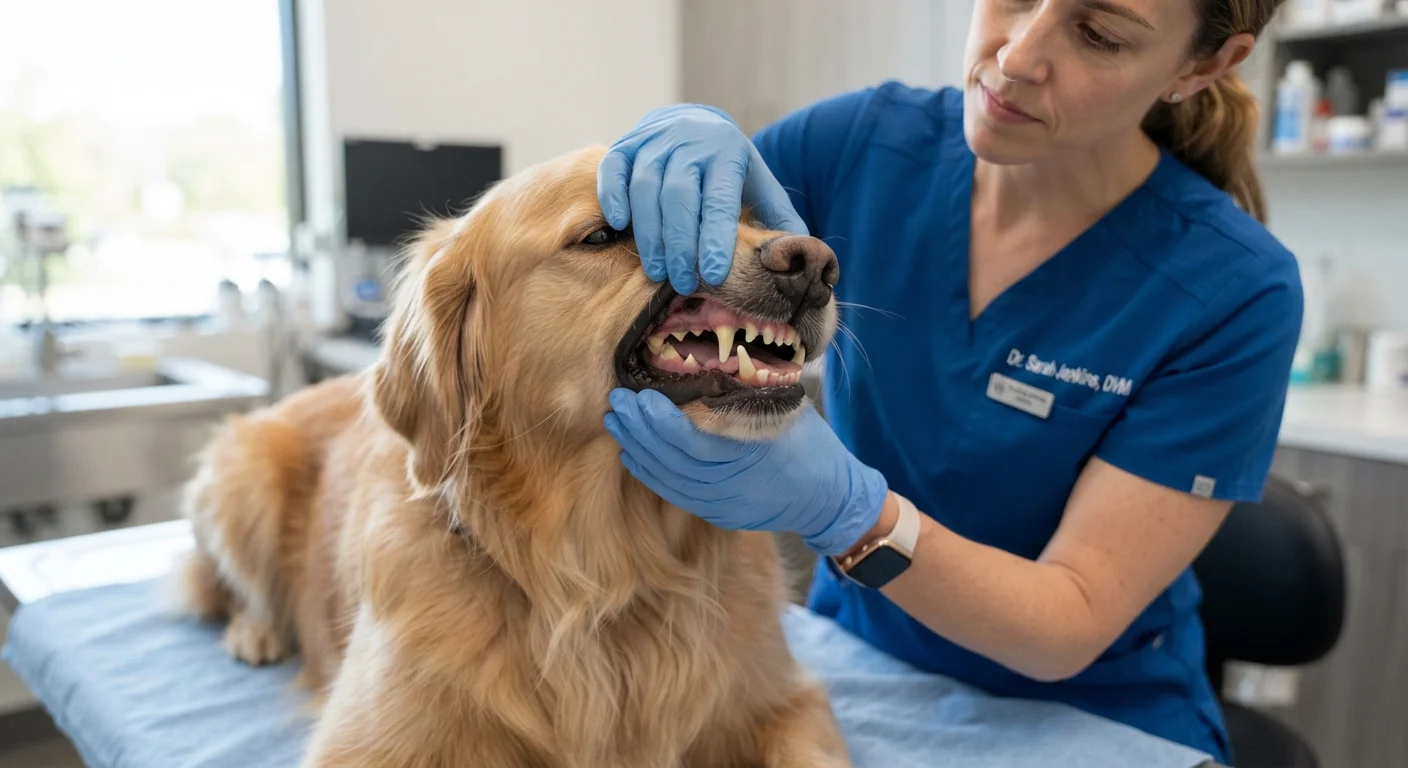
Why Dental Health Is Routinely Underestimated
Ask most pet owners what they prioritize in their animal's care and you'll hear about vaccinations, parasite control, and nutrition. Dental hygiene rarely makes the list — and that gap has real consequences. Studies by veterinary professional organizations suggest that the majority of dogs and cats show signs of periodontal disease by the time they reach three years of age, making it one of the most prevalent health conditions in companion animals.
Part of the problem is visibility. Unlike a limp or a skin rash, dental disease develops quietly beneath the gum line where owners can't easily observe it. Pets also instinctively mask discomfort, which means significant oral pain may be present long before any behavioral change appears. By the time an owner notices something is wrong, the disease may already be well advanced.
Common myths about pet wellness reinforce this neglect — including the widespread belief that bad breath in pets is simply normal rather than a symptom worth investigating.
80%
Dogs with dental disease by age 3
Veterinary dental organizations estimate that approximately 80% of dogs show signs of periodontal disease by three years of age.
70%
Cats affected by dental disease by age 3
A similar proportion of cats are estimated to develop some degree of periodontal disease by their third year, according to veterinary dental health resources.
#1
Most diagnosed condition in companion animals
Periodontal disease is frequently cited by veterinary associations as the most commonly diagnosed condition in domestic dogs and cats.
The Mouth-Body Connection in Pets
Dental health doesn't exist in isolation. The mouth is an entry point to the entire body, and chronic oral infections can have effects that extend well beyond the teeth and gums. Bacteria associated with periodontal disease have been found in the heart, kidneys, and liver of affected animals — organs that filter the bloodstream and are particularly vulnerable to bacterial load.
Veterinary research has explored associations between advanced dental disease and conditions such as cardiac valve disease in dogs, though the precise nature of these relationships continues to be studied. What is broadly accepted is that chronic oral infection represents an ongoing physiological burden — one that a strong preventive approach can help minimize.
This systemic dimension is part of why many veterinarians treat dental health as a pillar of preventive care alongside vaccinations and parasite management. For a broader view of how oral care fits into year-round health planning, see a year-round pet health planner.
“Dental disease is the most under-treated condition in veterinary medicine. Pets are living with chronic pain that owners often don't recognize because animals are so good at hiding it.”
— Jan Bellows, Board-certified veterinary dentist and Fellow of the Academy of Veterinary Dentistry
Building a Practical Home Dental Routine
The cornerstone of at-home pet dental care is regular toothbrushing using a soft-bristled pet toothbrush and a toothpaste designed specifically for animals. Human toothpaste contains fluoride and xylitol — both toxic to pets — so species-appropriate products are essential. Most pets can be gradually acclimated to brushing over several weeks by starting with short, calm sessions and using positive reinforcement.
Beyond brushing, supplementary tools such as dental wipes, water additives, and specially designed chews may offer additional plaque control. Products bearing the Veterinary Oral Health Council (VOHC) seal have met defined efficacy standards and offer a reliable benchmark for pet owners navigating a crowded market.
Starting Slowly Makes a Big Difference
If your pet has never had their teeth brushed, introduce the process gradually over two to four weeks. Begin by letting them taste the pet-safe toothpaste, then progress to gently touching the teeth with a finger before introducing the brush. Short, positive sessions are far more effective than infrequent, stressful ones.
Dental care integrates naturally into the kind of daily habits that support a pet's long-term wellbeing. Framing toothbrushing as part of an evening routine, for example, helps it become consistent rather than occasional.
Professional Cleanings and What to Expect
Home care significantly reduces plaque accumulation, but it cannot replace professional veterinary dental cleanings. Because thorough scaling, probing, and dental X-rays require the animal to remain completely still, professional cleanings are performed under general anesthesia — a step some owners find concerning but which veterinary organizations broadly consider safe when conducted with appropriate pre-anesthetic screening.
During a professional cleaning, a veterinarian or veterinary technician can identify issues invisible to the naked eye: root disease, tooth fractures, resorptive lesions in cats, and pockets of infection beneath the gumline. These findings often change the course of treatment in meaningful ways.
Annual professional cleanings are a common baseline recommendation, though individual needs vary. As pets age, dental needs tend to intensify — a reality covered in more depth in the context of how health care needs shift for senior pets.
This article is for general informational purposes and does not constitute veterinary advice. Always consult a licensed veterinarian for guidance specific to your pet's health needs.
Frequently Asked Questions
Veterinary dental guidelines generally recommend brushing a pet's teeth daily for optimal results. If daily brushing isn't achievable, even a few times per week provides meaningful benefit. Always use toothpaste formulated for pets — human toothpaste contains ingredients that can be harmful to animals.
Common early indicators include bad breath, yellow or brown buildup on teeth, red or swollen gums, and reluctance to chew hard food or toys. Some pets become irritable or paw at their faces when experiencing oral discomfort. A veterinarian can confirm the extent of any problem through an examination.
Yes — cats are equally susceptible to periodontal disease and a painful condition called tooth resorption, in which the tooth structure breaks down from the inside. Because cats are skilled at hiding discomfort, dental problems often go unnoticed until they are advanced.
Dental chews and treats may help reduce plaque buildup as a supplement to oral hygiene, but they are not a substitute for brushing or professional cleaning. Look for products carrying the Veterinary Oral Health Council (VOHC) seal, which indicates they have met defined efficacy standards.
Most veterinarians recommend professional cleanings once a year, though some pets may need them more frequently depending on breed, age, and individual oral health status. Your vet is the best guide for determining an appropriate schedule for your specific animal.
The content on this site is for informational purposes only and is not a substitute for professional advice. Always consult a qualified professional for guidance specific to your situation.