

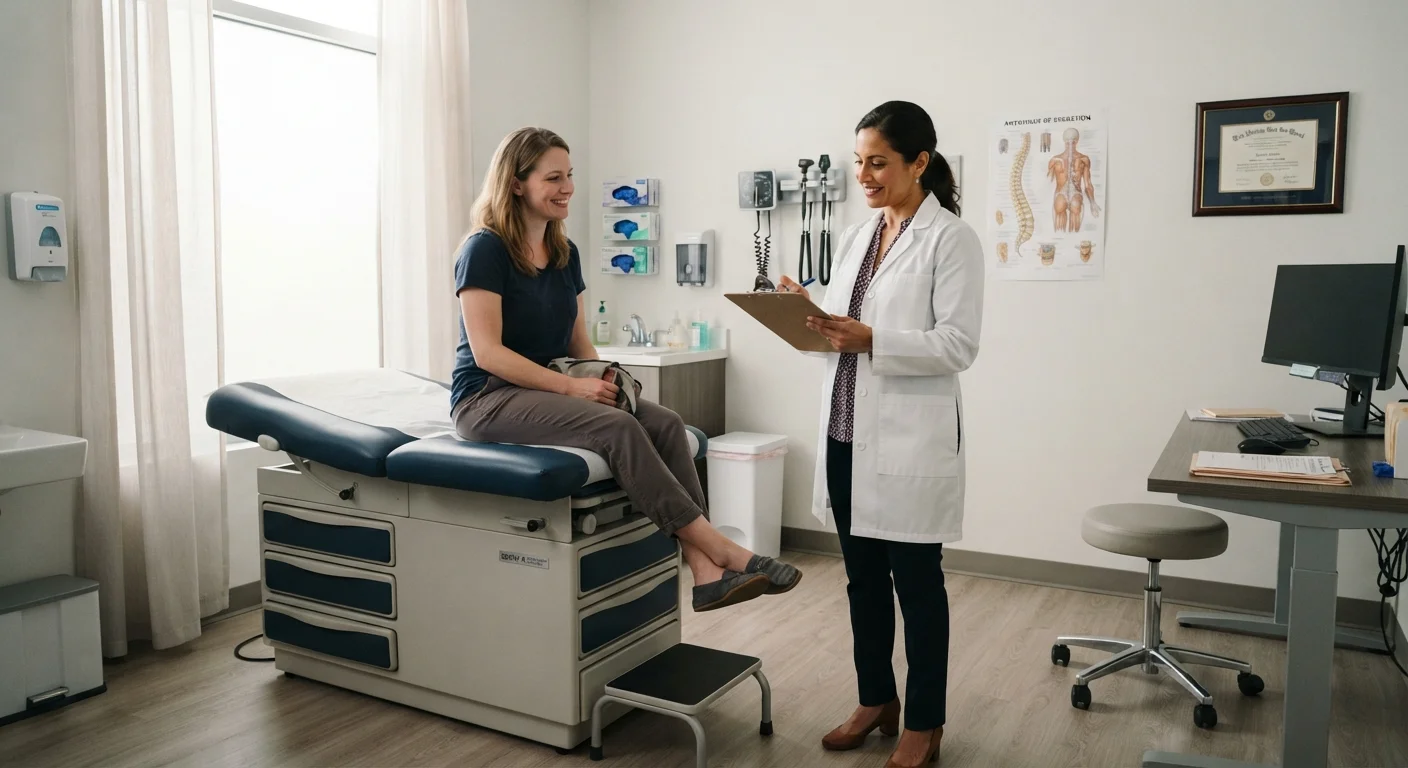
Before You Even See the Doctor: Intake and Vitals
The checkup begins before you enter the exam room. A medical assistant or nurse typically handles the intake process, which sets the clinical foundation for everything that follows.
Vital signs are measured first: blood pressure, heart rate, respiratory rate, temperature, and oxygen saturation. Your height and weight are recorded, and your body mass index (BMI) — a ratio of weight to height — may be noted as a general screening indicator. Each reading alone is a data point; tracked over time, they form patterns your provider uses to detect gradual changes.
You'll also be asked to update your health history — current medications, supplements, allergies, recent illnesses or hospitalizations, and any new symptoms. Be specific and thorough; this information directly shapes what your doctor prioritizes during the visit. Preparing a written list in advance makes this stage considerably easier.
Blood Pressure Readings in a Clinical Setting
Some people experience temporary blood pressure elevation during a medical appointment — a phenomenon known as 'white coat hypertension.' A single elevated reading at a checkup doesn't automatically indicate hypertension. Providers typically look for consistency across multiple readings over time. For more context, see our piece on blood pressure monitoring: self-checks vs. clinical readings.
The Physical Examination: What the Doctor Is Actually Assessing
The hands-on portion of a checkup is more systematic than it may appear. Your provider works through body systems methodically, even if the pace feels conversational.
- Head, eyes, ears, nose, and throat (HEENT): Checking vision screening cues, ear canals, lymph nodes, and throat for abnormalities.
- Cardiovascular: Listening to heart rhythm and sounds with a stethoscope to detect murmurs or irregular beats.
- Respiratory: Assessing lung sounds for wheezing, crackles, or diminished airflow.
- Abdominal: Feeling for organ size, tenderness, or unusual masses in the stomach region.
- Musculoskeletal and neurological: Evaluating reflexes, posture, range of motion, and coordination as relevant.
- Skin: Scanning for lesions, moles, or discoloration — a brief but important screening step. For more on what this involves, see our guide to skin cancer detection and self-exams.
Depending on your age and sex, additional components such as a breast exam, pelvic exam, testicular exam, or prostate screening discussion may be included or scheduled separately.
Mention Every Medication and Supplement
Include over-the-counter drugs, vitamins, and herbal supplements when your provider asks about medications. Some supplements interact with prescription drugs or can influence lab results, and your provider needs the full picture to interpret findings accurately.
Bloodwork and Diagnostic Tests
Lab work is one of the most informative elements of an annual checkup. Blood tests can reveal conditions that produce no outward symptoms — including elevated cholesterol, prediabetes, anemia, or abnormal kidney and liver function.
Commonly ordered panels include:
- Complete Blood Count (CBC): Evaluates red and white blood cells and platelets, flagging anemia, infection signals, or clotting concerns.
- Comprehensive Metabolic Panel (CMP): Measures kidney function, liver enzymes, blood sugar, and electrolyte balance.
- Lipid Panel: Measures total cholesterol, LDL, HDL, and triglycerides — key markers for cardiovascular risk.
- Fasting Blood Glucose or A1C: Screens for diabetes or prediabetes based on your age and risk factors.
Additional tests — thyroid function (TSH), vitamin D levels, or sexually transmitted infection (STI) screenings — may be ordered based on clinical judgment. Blood drawn during the visit may be sent to an external lab, with results typically available within a few days through a patient portal.
~35%
US adults who skip annual checkups
According to survey data from the Kaiser Family Foundation, roughly one-third of US adults report not having had a routine checkup in the past year, often citing cost or time constraints.
80%
Preventable deaths linked to lifestyle factors
The CDC has reported that a significant proportion of chronic disease deaths in the US are associated with modifiable risk factors — many of which are identifiable through routine preventive care.
The Preventive Care Conversation
The final — and often most valuable — part of a checkup is the discussion with your provider. This is where clinical findings connect to action. Your doctor will review your results in context, discuss any concerns, and recommend age- and risk-appropriate screenings you may be due for.
Depending on your profile, this might include referrals for a colonoscopy, mammogram, bone density scan, or other screenings that don't happen during the visit itself. Vaccinations may also be reviewed and administered if you're overdue.
This is also the appropriate moment to raise any lifestyle concerns — sleep quality, stress levels, nutrition, or physical activity — or to discuss symptoms you've been hesitant to mention. Making the most of limited appointment time is a skill worth developing. Don't wait for your provider to ask about everything; they rely partly on what you volunteer.
Keep in mind that some important screenings — including vision, hearing, and mental health assessments — are commonly missed even by health-aware adults. Ask your provider whether any are overdue for you.
This article is for general informational purposes only and does not constitute medical advice. Always consult a qualified healthcare professional for guidance tailored to your individual health needs.
Frequently Asked Questions
Fasting is often required if your checkup includes a fasting blood glucose or lipid panel test. Your provider's office will typically let you know in advance. When in doubt, ask when scheduling — arriving fasted unnecessarily is far easier to handle than having to reschedule bloodwork.
Most routine physicals are scheduled for 30 to 60 minutes, though actual time varies by provider, patient history, and how many issues are raised. If you have multiple concerns, consider flagging them when you book so a longer slot can be reserved.
Common panels include a complete blood count (CBC), comprehensive metabolic panel (CMP), lipid panel, and fasting blood glucose. Additional tests — such as thyroid function or A1C — may be ordered based on age, risk factors, or prior results. Your doctor determines what's clinically appropriate for you.
The terms are often used interchangeably, but a "physical exam" technically refers to the hands-on assessment portion, while a "routine checkup" or "wellness visit" encompasses the entire appointment including labs, history review, and preventive counseling.
Bring a list of all current medications and supplements, your insurance card, any recent lab results from outside providers, and a list of questions or concerns you want to discuss. See our <a href="/health-wellness/preventive-care/annual-health-checkup-preparation-guide">annual checkup preparation guide</a> for a comprehensive checklist.
Yes — primary care providers routinely screen for depression and anxiety using brief validated questionnaires. If you have mental health concerns, raise them during the appointment. Your doctor may provide a referral or discuss options depending on your situation.
The content on this site is for informational purposes only and is not a substitute for professional advice. Always consult a qualified professional for guidance specific to your situation.